Havarti Cheese
Havarti Cheese: A Complete Guide to Its Origins, Flavor, and How It’s Made
What Is Havarti Cheese?
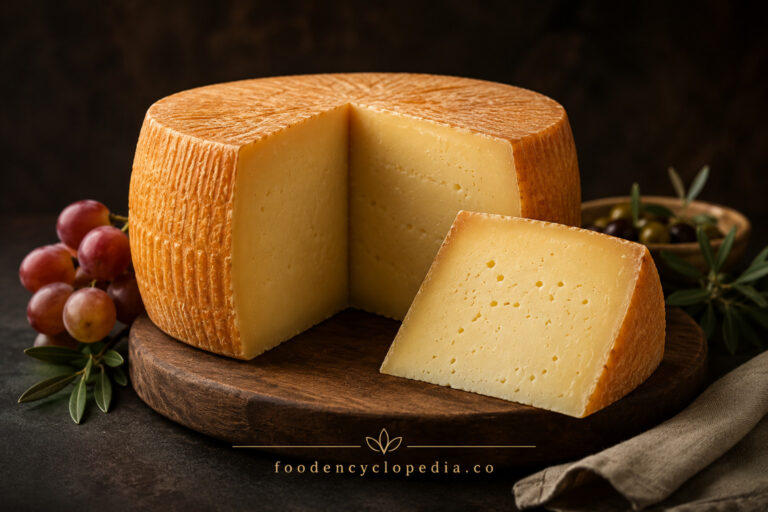
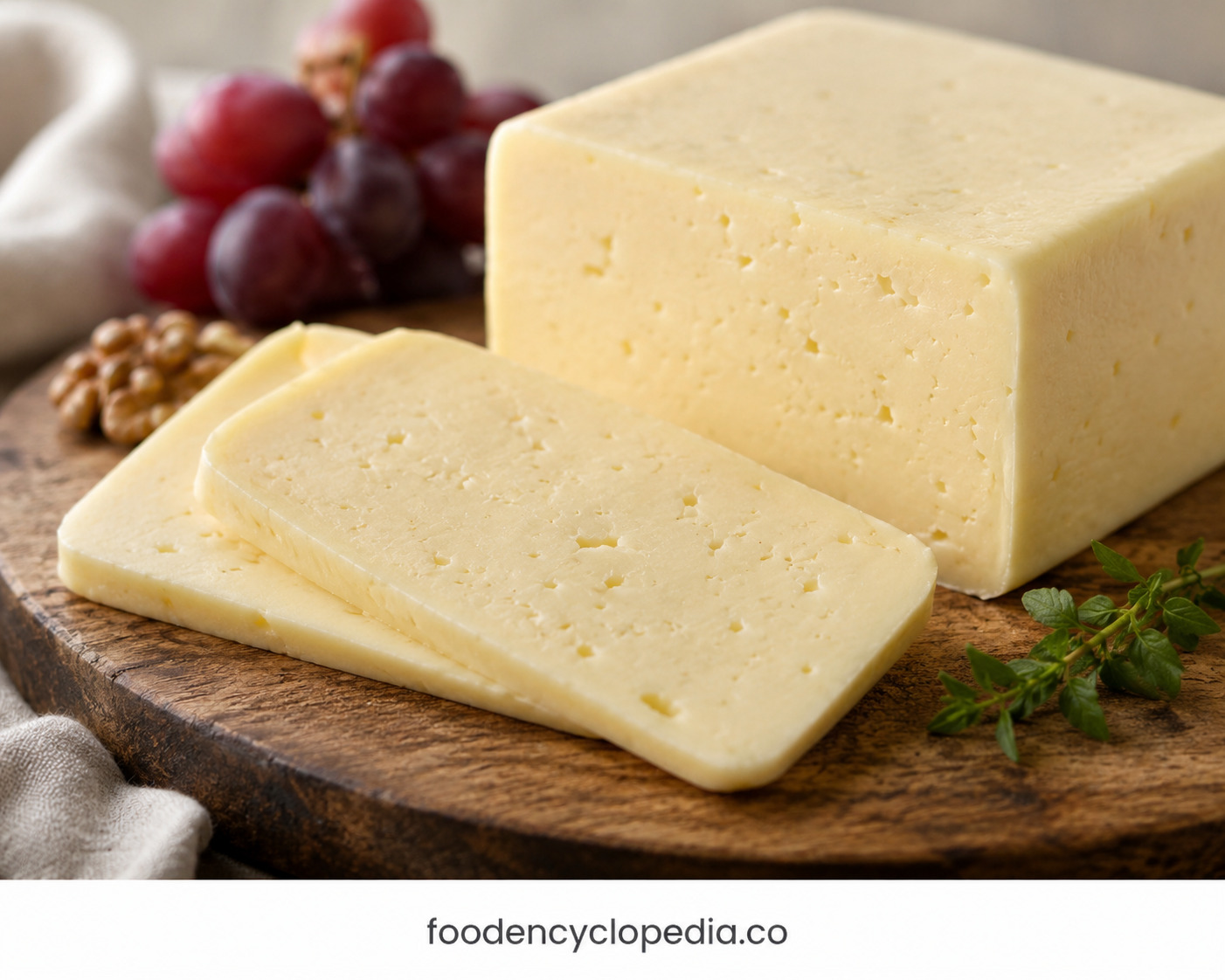
Havarti cheese is a semi-soft Danish cheese renowned for its creamy texture, mild flavor, and exceptional versatility. Loved by cheese enthusiasts worldwide, Havarti has become a staple in sandwiches, cheese boards, gourmet recipes, and everyday cooking. Its smooth consistency and buttery taste make it one of the most approachable cheeses for both casual consumers and culinary professionals.
Originally developed in Denmark during the 19th century, Havarti cheese has gained international recognition for its rich yet delicate flavor profile. Today, it is produced in many countries and is available in both traditional and flavored varieties, including dill, jalapeño, garlic, and herbs.
The History of Havarti Cheese
Havarti cheese traces its origins to Denmark, where it was first created by Danish farmer Hanne Nielsen in the mid-1800s. After traveling throughout Europe to study cheesemaking techniques, Nielsen developed a unique cheese on her farm, Havarthigaard, near Copenhagen. The cheese eventually became known as Havarti, named after the farm where it was invented.
Over time, Havarti gained popularity across Europe and North America, becoming one of the most widely enjoyed Danish-style cheeses in the world.
What Does Havarti Cheese Taste Like?
Havarti is known for its mild, buttery, and slightly tangy flavor. Young Havarti offers a creamy and smooth taste with subtle sweetness, while aged varieties develop deeper, nuttier notes and a more complex character.
Its flavor profile makes it highly versatile and easy to pair with a variety of foods, including:
- Fresh fruits such as apples, pears, and grapes
- Crackers and artisan breads
- Roasted vegetables
- Turkey, ham, and chicken sandwiches
- White wines and light-bodied red wines
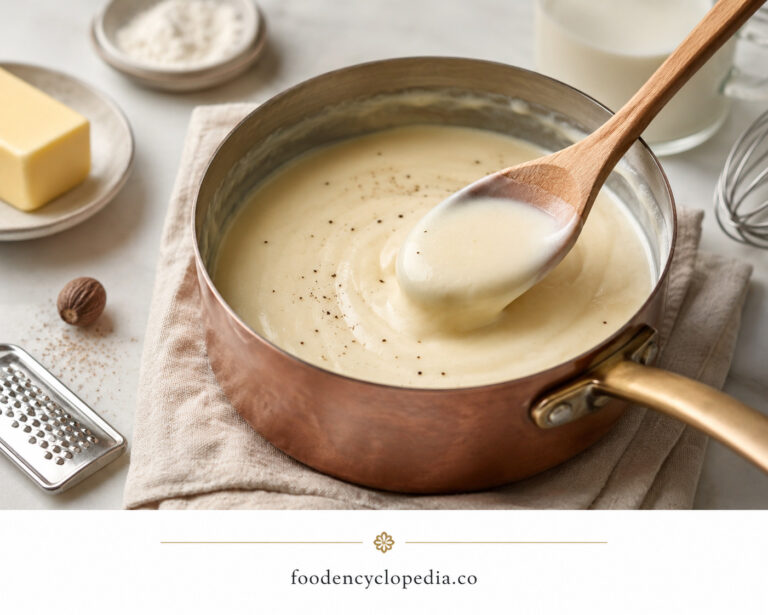
The cheese melts exceptionally well, making it ideal for grilled sandwiches, burgers, casseroles, and cheese sauces.
How Is Havarti Cheese Made?
The production of Havarti cheese combines traditional cheesemaking techniques with careful aging to achieve its signature texture and flavor.
1. Milk Preparation
Havarti cheese is traditionally made from pasteurized cow’s milk. The milk is heated to a controlled temperature to create the optimal environment for bacterial cultures.
2. Adding Starter Cultures
Special starter cultures are introduced to the milk. These beneficial bacteria convert lactose into lactic acid, helping develop the cheese’s flavor and texture.
3. Coagulation
Rennet, a natural enzyme used in cheesemaking, is added to the milk. The rennet causes the milk proteins to coagulate, forming a solid curd while separating the liquid whey.
4. Cutting and Stirring the Curds
The curds are cut into small pieces to release additional whey. They are then gently stirred and washed with water, a process that contributes to Havarti’s mild flavor and creamy consistency.
5. Molding and Pressing
The curds are transferred into molds and lightly pressed to remove excess moisture while maintaining the cheese’s soft texture. During this stage, small irregular holes may form throughout the cheese.
6. Salting
The cheese is salted either by brining or dry salting. Salt enhances flavor, regulates moisture content, and helps preserve the cheese.
7. Aging (Ripening)
Havarti is aged for several weeks to several months under carefully controlled temperature and humidity conditions. Young Havarti is soft and creamy, while longer aging creates a firmer texture and more pronounced flavor.
Nutritional Benefits of Havarti Cheese
Havarti cheese provides several important nutrients, including:
- High-quality protein
- Calcium for bone health
- Phosphorus and zinc
- Vitamin A
- Vitamin B12
Like many cheeses, it should be enjoyed in moderation due to its saturated fat and sodium content.
Popular Uses for Havarti Cheese
Thanks to its excellent melting qualities and mild taste, Havarti can be used in numerous recipes:
- Grilled cheese sandwiches
- Burgers and paninis
- Cheese platters
- Omelets and scrambled eggs
- Pasta dishes
- Macaroni and cheese
- Gourmet pizzas
- Baked casseroles
Its creamy texture allows it to blend seamlessly into both simple and sophisticated dishes.
Conclusion
Havarti cheese is a beloved Danish cheese celebrated for its creamy texture, buttery flavor, and exceptional versatility. Whether enjoyed fresh on a cheese board, melted into a sandwich, or incorporated into gourmet recipes, Havarti offers a delicious balance of richness and mildness. Understanding how Havarti cheese is made—from milk preparation and curd formation to aging and ripening—provides a deeper appreciation for the craftsmanship behind this popular dairy product.
For cheese lovers seeking a smooth, flavorful, and versatile option, Havarti remains one of the finest choices available.