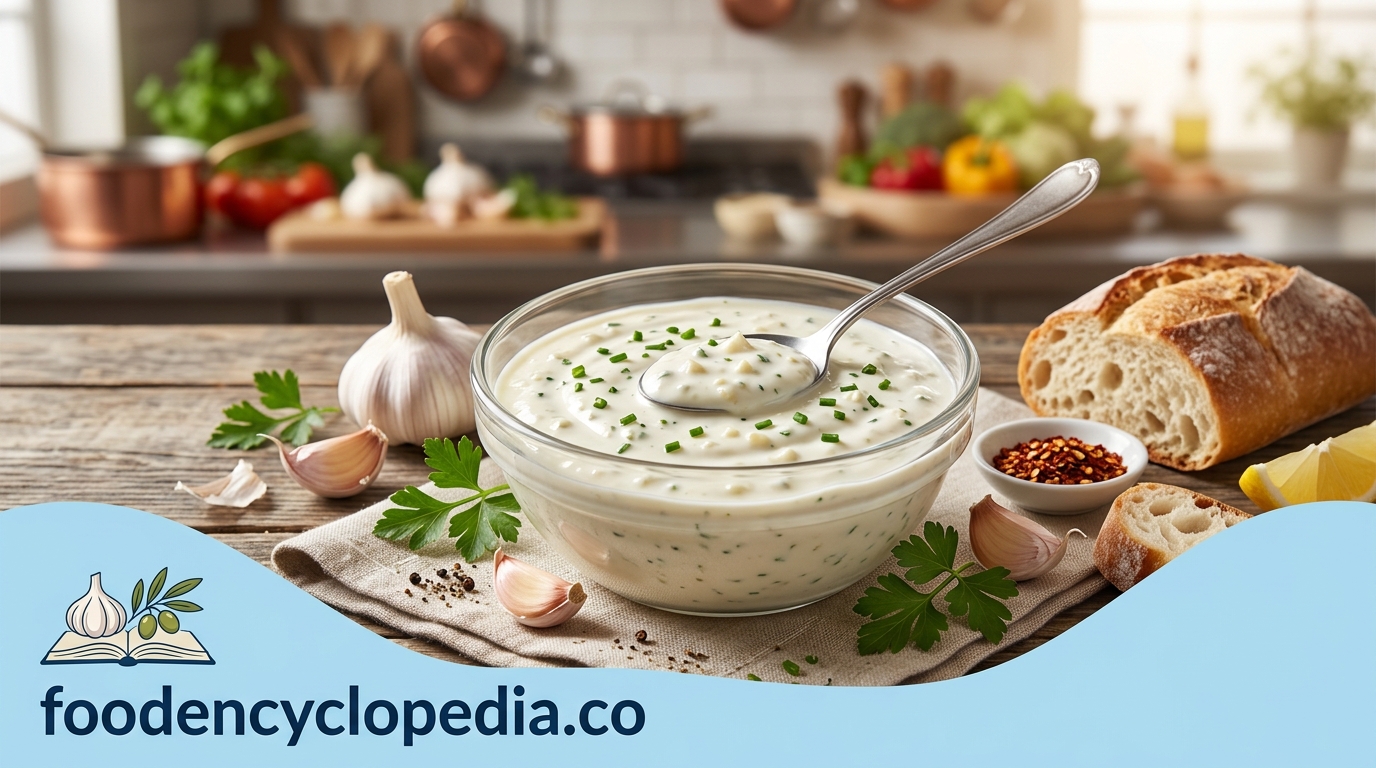
Garlic Sauce
Garlic Sauce : What It Is, Why People Love It, and How to Make It at Home
Meta description: Discover what garlic sauce is, where it comes from, and how to make a smooth, creamy garlic sauce at home with this simple step-by-step recipe.
Few condiments punch above their weight quite like garlic sauce. Creamy, pungent, and endlessly versatile, it has earned a permanent spot on tables from Middle Eastern grill houses to home kitchens around the world. Whether you know it as toum, aioli, or simply “the white sauce” from your favorite shawarma spot, garlic sauce transforms simple dishes into something memorable. This guide covers what garlic sauce is, its origins, and a foolproof method for making it yourself.
What Is Garlic Sauce?
Garlic sauce is a thick, creamy condiment built around a simple idea: emulsifying raw garlic with oil (and often lemon juice or egg) until it forms a smooth, spreadable sauce. The result is intensely garlicky, tangy, and rich, with a texture similar to mayonnaise.
The most famous version is toum, a Lebanese garlic sauce made without eggs, relying instead on the garlic itself and a slow drizzle of oil to create its signature fluffy consistency. Other regional variations, like French aioli, add egg yolks and mustard for a slightly different texture and flavor. Despite the differences, all garlic sauces share the same core technique: emulsification.
Why Garlic Sauce Is So Popular
Garlic sauce has become a global favorite for a few good reasons:
- Incredible versatility – It pairs beautifully with grilled meats, roasted vegetables, fries, shawarma, kebabs, seafood, and flatbreads.
- Bold, craveable flavor – A little goes a long way, delivering sharp garlic flavor balanced by acidity and richness.
- Simple ingredients – Most recipes require just a handful of pantry staples: garlic, oil, lemon juice, and salt.
- Naturally dairy-free – Traditional toum contains no dairy, making it a great option for those avoiding it, while still tasting rich and creamy.
How to Make Garlic Sauce at Home
Making garlic sauce from scratch is easier than most people expect, though it does require a little patience. Here’s a classic, egg-free method inspired by traditional toum.
Ingredients
- 1 cup garlic cloves, peeled (about 2–3 whole heads)
- 2 cups neutral oil (such as canola, sunflower, or a light olive oil)
- 1/3 cup fresh lemon juice
- 1 teaspoon salt
- 2–3 tablespoons ice-cold water (as needed)
Instructions
- Prep the garlic. Peel the garlic cloves and remove any green sprouts in the center, as these can add bitterness. Trimming the root end also helps mellow the flavor slightly.
- Start blending. Add the garlic and salt to a food processor. Pulse until the garlic is very finely minced, scraping down the sides as needed.
- Begin the emulsion. With the processor running, start adding the oil in a very slow, thin, steady stream — almost drop by drop at first. This slow pace is essential for the sauce to emulsify properly instead of separating.
- Alternate with lemon juice. As the mixture begins to thicken, alternate adding small amounts of oil and lemon juice, continuing to drizzle slowly. The sauce should turn pale, thick, and fluffy, similar to whipped mayonnaise.
- Adjust the texture. If the sauce becomes too thick or starts to look greasy or separated, add a tablespoon of ice-cold water and continue blending to bring it back together.
- Taste and finish. Once all the oil and lemon juice have been incorporated, taste and adjust salt or acidity as needed. The finished sauce should be smooth, glossy, and stiff enough to hold soft peaks.
- Rest before serving. Garlic sauce tastes best after resting in the refrigerator for at least an hour, which allows the sharp raw-garlic bite to mellow slightly.
Storage Tips
Store garlic sauce in an airtight container in the refrigerator for up to two weeks. The flavor will continue to mellow slightly over the first few days.
Serving Suggestions
Garlic sauce shines as:
- A dip for pita bread, fries, or roasted potatoes
- A spread for shawarma wraps and sandwiches
- A finishing sauce for grilled chicken, lamb, or seafood
- A flavor boost stirred into soups, marinades, or salad dressings
Final Thoughts
Garlic sauce is proof that a few humble ingredients, handled with the right technique, can create something far greater than the sum of its parts. Once you master the slow-drizzle emulsion method, you’ll have a versatile, restaurant-quality condiment ready to elevate almost any meal — no special equipment or hard-to-find ingredients required.