Chili Sauce
The Complete Guide to Chili Sauce: What It Is and How to Make It at Home
Chili sauce has earned its place as one of the most versatile condiments in kitchens around the world. Whether drizzled over eggs, stirred into a marinade, or served alongside dumplings, this bold, tangy-spicy sauce brings depth and heat to almost any dish. If you’ve ever wondered what chili sauce actually is, how it differs from hot sauce, or how you can make your own at home, this guide covers everything you need to know.
What Is Chili Sauce?
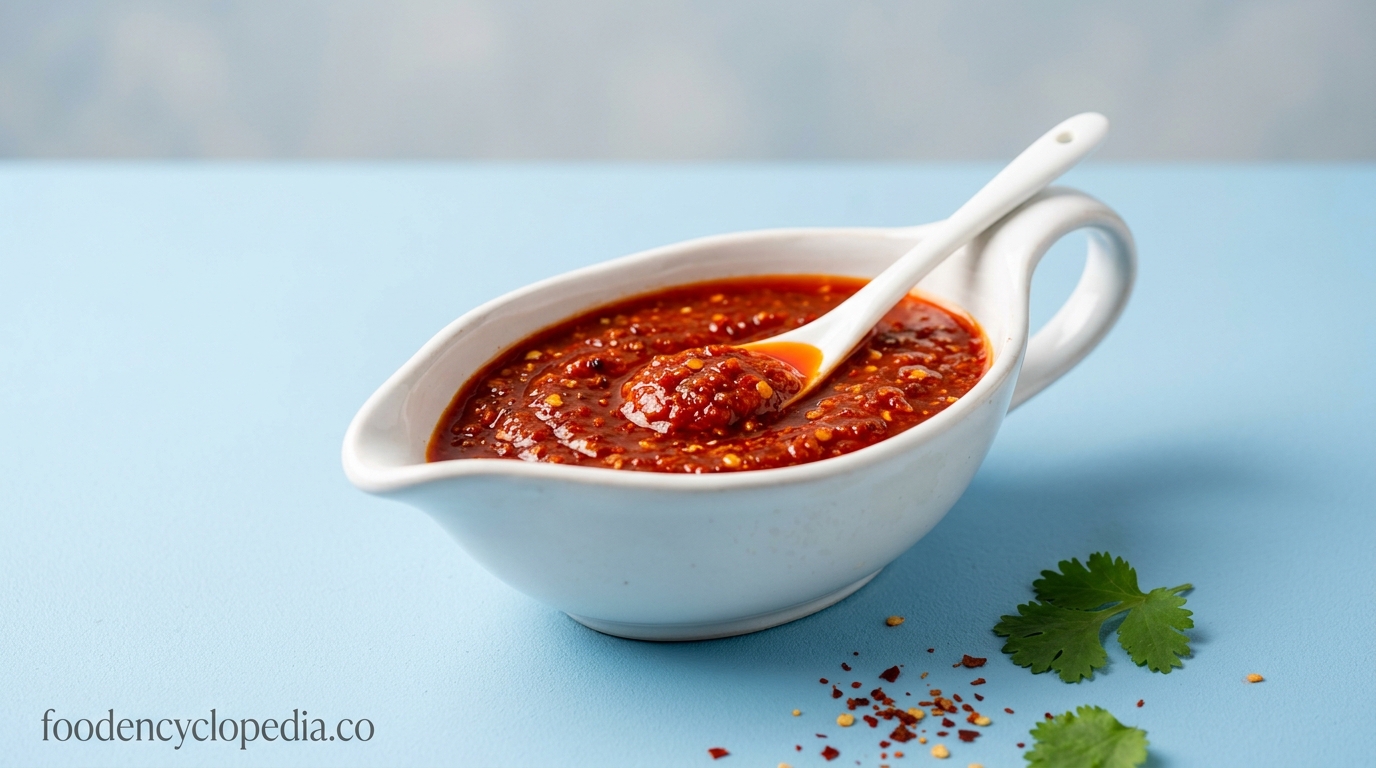
Chili sauce is a condiment made primarily from chili peppers, combined with ingredients like vinegar, sugar, garlic, and salt to create a balanced blend of heat, acidity, and sweetness. Unlike thin, vinegar-forward hot sauces, chili sauce tends to be thicker in texture, often closer to a ketchup or salsa consistency, and it frequently includes chunks of pepper, tomato, or other vegetables.
The exact style of chili sauce varies significantly by region and culture:
- American-style chili sauce is often tomato-based, similar to a spiced ketchup, and commonly used with meatloaf, cocktail sauce, or as a burger topping.
- Asian-style chili sauces, such as sambal oelek, sriracha, or Chinese chili garlic sauce, tend to be spicier, garlic-forward, and used as dipping sauces or stir-fry bases.
- Latin American chili sauces, like many Mexican salsas picantes, emphasize fresh or roasted chilies with lime, garlic, and cilantro.
Despite the variations, most chili sauces share a common foundation: chili peppers as the star ingredient, balanced by acid, salt, and sometimes sweetness.
Chili Sauce vs. Hot Sauce vs. Salsa
These three condiments are often confused, but they have distinct characteristics:
| Condiment | Texture | Primary Ingredients | Typical Use |
|---|---|---|---|
| Chili Sauce | Thick, often smooth or chunky | Chilies, vinegar, sugar, sometimes tomato | Condiment, cooking ingredient, dipping sauce |
| Hot Sauce | Thin, pourable | Chilies, vinegar, salt | Adding heat to dishes drop by drop |
| Salsa | Chunky | Fresh tomatoes, chilies, onion, herbs | Dip, topping, fresh garnish |
Chili sauce sits in the middle ground — spicier and more complex than ketchup, but thicker and more balanced than most hot sauces.
Why Make Chili Sauce at Home?
Store-bought chili sauce is convenient, but making your own offers real advantages:
- Control over heat level – Choose your peppers and adjust quantities to match your spice tolerance.
- No preservatives or artificial additives – Homemade versions use simple, whole ingredients.
- Customizable flavor – Add smoky, sweet, garlicky, or tangy notes depending on your taste.
- Freshness – Homemade chili sauce often has a brighter, more vibrant flavor than shelf-stable versions.
- Cost-effective – A batch of homemade sauce is often cheaper than specialty store-bought bottles.
How to Make Chili Sauce at Home
Below is a simple, foundational recipe for a classic tomato-based chili sauce that you can adjust to your preferred heat level and flavor profile.
Ingredients
- 2 lbs (about 900g) ripe tomatoes, chopped
- 3–4 fresh red chili peppers (adjust to taste — jalapeño, Fresno, or cayenne all work well)
- 1 medium onion, finely chopped
- 3 garlic cloves, minced
- 1/2 cup apple cider vinegar or white vinegar
- 1/4 cup brown sugar (adjust to taste)
- 1 tsp salt
- 1/2 tsp ground cumin (optional)
- 1/2 tsp smoked paprika (optional, for a smoky depth)
Instructions
- Prepare the vegetables. Wash and chop the tomatoes, chili peppers, onion, and garlic. Remove chili seeds if you prefer a milder sauce.
- Cook the base. In a large saucepan, combine the tomatoes, chilies, onion, and garlic. Bring to a simmer over medium heat, stirring occasionally, for about 15–20 minutes until the tomatoes soften and break down.
- Add seasonings. Stir in the vinegar, brown sugar, salt, cumin, and smoked paprika. Continue simmering uncovered for another 20–30 minutes, stirring occasionally, until the mixture thickens.
- Blend for smoothness (optional). If you prefer a smoother sauce, use an immersion blender or transfer the mixture to a countertop blender and puree until smooth. For a chunkier sauce, skip this step.
- Taste and adjust. Add more sugar for sweetness, more vinegar for tang, or more chili for heat, adjusting until the flavor is balanced to your liking.
- Simmer to final consistency. Continue cooking uncovered until the sauce reaches your desired thickness — typically 10–15 more minutes.
- Cool and store. Let the sauce cool completely before transferring it to sterilized jars or airtight containers. Store in the refrigerator for up to 2–3 weeks, or process in a water bath for longer shelf-stable storage.
Tips for the Best Homemade Chili Sauce
- Roast your chilies and tomatoes first for a deeper, smokier flavor.
- Balance is everything — chili sauce should hit sweet, sour, salty, and spicy notes in harmony.
- Adjust pepper variety to change the flavor profile: smoky chipotles, fruity Fresno peppers, or fiery habaneros will each produce a different result.
- Let it rest — like many sauces, chili sauce often tastes even better a day after making it, once the flavors have had time to meld.
Creative Ways to Use Chili Sauce
Once you’ve made a batch, chili sauce can elevate a wide range of dishes:
- Use it as a glaze for grilled meats or roasted vegetables
- Mix it into mayonnaise for a spicy sandwich spread
- Stir it into fried rice or noodle dishes for a flavor boost
- Serve it as a dipping sauce for spring rolls, dumplings, or fries
- Add it to scrambled eggs or avocado toast for a spicy kick
- Use it as a base for a spicy marinade with soy sauce and lime
Final Thoughts
Chili sauce is a simple yet incredibly versatile condiment that can be tailored to suit any palate, from mild and tangy to intensely spicy. Making it at home allows you to control the ingredients, customize the flavor, and enjoy a fresher, more vibrant product than most store-bought options. With just a handful of basic ingredients and about an hour of cooking time, you can create a batch of chili sauce that enhances everything from breakfast to dinner.
Once you’ve mastered the basic recipe, don’t be afraid to experiment with different chili varieties, spices, and sweeteners to develop your own signature blend.