Olive Oil
Olive Oil : Types, Production, and Why It’s the World’s Most Prized Cooking Oil
Meta description: Discover the different types of olive oil, how it’s made from harvest to bottle, and how to choose the best one for cooking, dressing, and health.
Introduction
Few ingredients carry as much history, health value, and culinary versatility as olive oil. Pressed from the fruit of the olive tree (Olea europaea), this golden-green liquid has been a cornerstone of Mediterranean cuisine and culture for thousands of years. Today, olive oil is celebrated worldwide not only for its rich, distinctive flavor but also for its well-documented health benefits, making it a staple in kitchens from Athens to Los Angeles.
Whether you’re a home cook trying to choose the right bottle at the grocery store or simply curious about how this ancient product is made, this guide breaks down everything you need to know: the main types of olive oil, how each one is produced, and tips for selecting quality oil.
A Brief History of Olive Oil
Olive oil production dates back more than 6,000 years, with roots in the eastern Mediterranean region, particularly ancient Greece, Crete, and the Levant. It was used not just as food, but as fuel for lamps, a base for perfumes, and even a symbol of peace and victory in ancient civilizations. Today, countries like Spain, Italy, Greece, and Tunisia lead global production, though olive cultivation has expanded to regions such as California, Australia, and Chile.
The Main Types of Olive Oil
Not all olive oil is created equal. Understanding the different grades helps you choose the right product for your needs and budget.
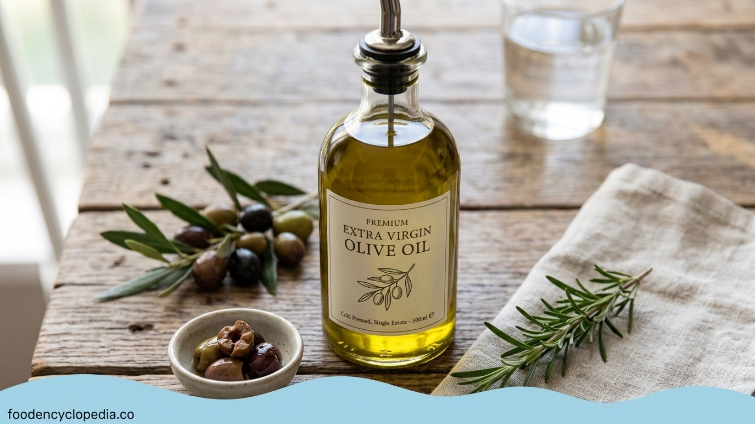
1. Extra Virgin Olive Oil (EVOO)
Extra virgin olive oil is the highest quality and most nutritious category. It’s produced by mechanically pressing or centrifuging olives without the use of heat or chemical solvents — a process known as “cold extraction.” To earn the “extra virgin” label, the oil must meet strict standards:
- Free acidity of no more than 0.8% (measured as oleic acid)
- No sensory defects (must taste and smell “clean,” with fruity, peppery, or grassy notes)
- Produced using purely mechanical methods
EVOO retains the most antioxidants, polyphenols, and vitamin E, along with the most robust flavor. It’s best used raw or with minimal heat — think salad dressings, dips, drizzling over finished dishes, or light sautéing.
2. Virgin Olive Oil
Virgin olive oil is also extracted mechanically without chemical processing, but it has slightly higher acidity (up to 2%) and may have minor sensory imperfections. It’s a step below extra virgin in quality and flavor intensity but still a natural, unrefined product suitable for everyday cooking.
3. Refined Olive Oil
When virgin olive oil has defects too significant for direct consumption — due to poor olive quality or processing issues — it can be refined using heat and chemical treatments to neutralize odors, flavors, and excess acidity. This process strips away much of the natural flavor and many nutrients, resulting in a neutral-tasting oil.
4. Pure Olive Oil (or “Olive Oil”)
Labeled simply as “olive oil” or “pure olive oil,” this is a blend of refined olive oil and a small percentage of virgin or extra virgin olive oil added back in for flavor and color. It has a lighter taste and higher smoke point, making it a popular choice for general cooking and frying.
5. Olive Pomace Oil
This is the lowest grade, extracted from the leftover olive pulp (pomace) after the initial pressing, using chemical solvents and heat. It’s then refined and typically blended with a small amount of virgin olive oil. Pomace oil has a very neutral flavor and high smoke point, making it suitable for industrial food production and high-heat frying, though it lacks the nutritional richness of higher grades.
6. Lampante Oil
Named for its historical use as lamp fuel, lampante oil is not fit for human consumption without refining. It has high acidity and sensory defects and must be processed before it can be sold as a food product.
How Olive Oil Is Made: From Tree to Bottle
Understanding the production process reveals why quality olive oil commands a premium price.
Step 1: Cultivation and Harvesting
Olive trees typically take 3 to 12 years to produce their first significant harvest and can live for centuries. Olives are harvested between October and January, depending on the region and desired ripeness. Harvesting methods include:
- Hand-picking: Gentle and preserves fruit quality, but labor-intensive
- Mechanical shaking: Machines shake the tree or branches, and nets catch the falling olives
- Combing/raking: Hand-held rakes strip olives directly from branches
Timing matters — olives picked earlier (still green) yield a more peppery, robust oil, while later-harvested, riper olives produce a milder, buttery flavor.
Step 2: Cleaning and Washing
Once harvested, olives are transported quickly to the mill (ideally within hours to prevent oxidation and fermentation). They’re washed to remove leaves, twigs, and dirt.
Step 3: Crushing
The cleaned olives, pits included, are crushed into a paste using stone mills or modern stainless-steel hammer mills. This step breaks down the fruit’s cell structure to release the oil.
Step 4: Malaxation (Mixing)
The olive paste is slowly churned in a malaxer for 20–45 minutes. This gentle mixing process allows tiny oil droplets to coalesce into larger ones, making extraction easier. Temperature control here is critical — “cold-pressed” or “cold-extracted” oils are malaxed below 27°C (80°F) to preserve flavor compounds and nutrients.
Step 5: Extraction
Oil is separated from the solid paste (pomace) and water using one of two main methods:
- Centrifugation: The modern standard, using a horizontal centrifuge to spin the paste at high speed, separating oil, water, and solids by density
- Pressing: The traditional method using hydraulic presses and fiber mats, largely replaced by centrifugation in commercial production today
Step 6: Separation and Filtration
A vertical centrifuge or gravity separator removes any remaining water from the oil. At this stage, producers decide whether to filter the oil (removing sediment for a longer shelf life and clearer appearance) or leave it unfiltered (some believe this preserves more flavor, though it can shorten shelf life).
Step 7: Storage and Bottling
Fresh oil is stored in stainless steel tanks, shielded from light, heat, and oxygen — all of which degrade quality over time. It’s then bottled, ideally in dark glass or tins, and labeled according to its grade.
How to Choose a Good Bottle of Olive Oil
- Check the harvest date, not just the “best by” date — fresher is better, and oil is best consumed within 18–24 months of harvest
- Look for a specific origin (single estate or single country) rather than vague labeling
- Choose dark glass or tin containers to protect against light damage
- Taste for fruitiness, bitterness, and pepperiness — genuine EVOO should have a noticeable “kick” in the throat
- Store it properly at home: in a cool, dark cupboard, away from the stove
Health Benefits at a Glance
Olive oil, especially extra virgin, is a cornerstone of the Mediterranean diet and has been linked to numerous health benefits, including support for heart health, reduced inflammation, and antioxidant protection thanks to its high content of monounsaturated fats and polyphenols. As with any dietary choice, it’s worth discussing specific health goals with a nutritionist or doctor.
Final Thoughts
From ancient groves to modern stainless-steel mills, olive oil’s journey from tree to table is a fascinating blend of agriculture, chemistry, and craftsmanship. Knowing the difference between extra virgin, virgin, refined, and pomace oils — and understanding how each is made — empowers you to choose the right bottle for your cooking needs and appreciate the care behind every drop.
Whether you’re drizzling a peppery extra virgin oil over fresh tomatoes or using a lighter pure olive oil for weeknight sautéing, there’s a type of olive oil suited to every dish and every budget.