Algerian Sauce
Algerian Sauce (Sauce Algérienne): The Ultimate Guide to This Spicy, Creamy Condiment
If you’ve ever ordered fries, a kebab, or a French taco in Belgium or France, chances are you’ve come across Algerian sauce, known locally as sauce algérienne. This creamy, spicy, slightly sweet condiment has become a staple of European street food and fast-food culture, and it’s steadily gaining popularity elsewhere thanks to its bold, addictive flavor.
In this guide, we’ll explain what Algerian sauce actually is, where it comes from, what ingredients give it its distinctive taste, and how you can make an authentic version at home in just a few minutes.
What Is Algerian Sauce?
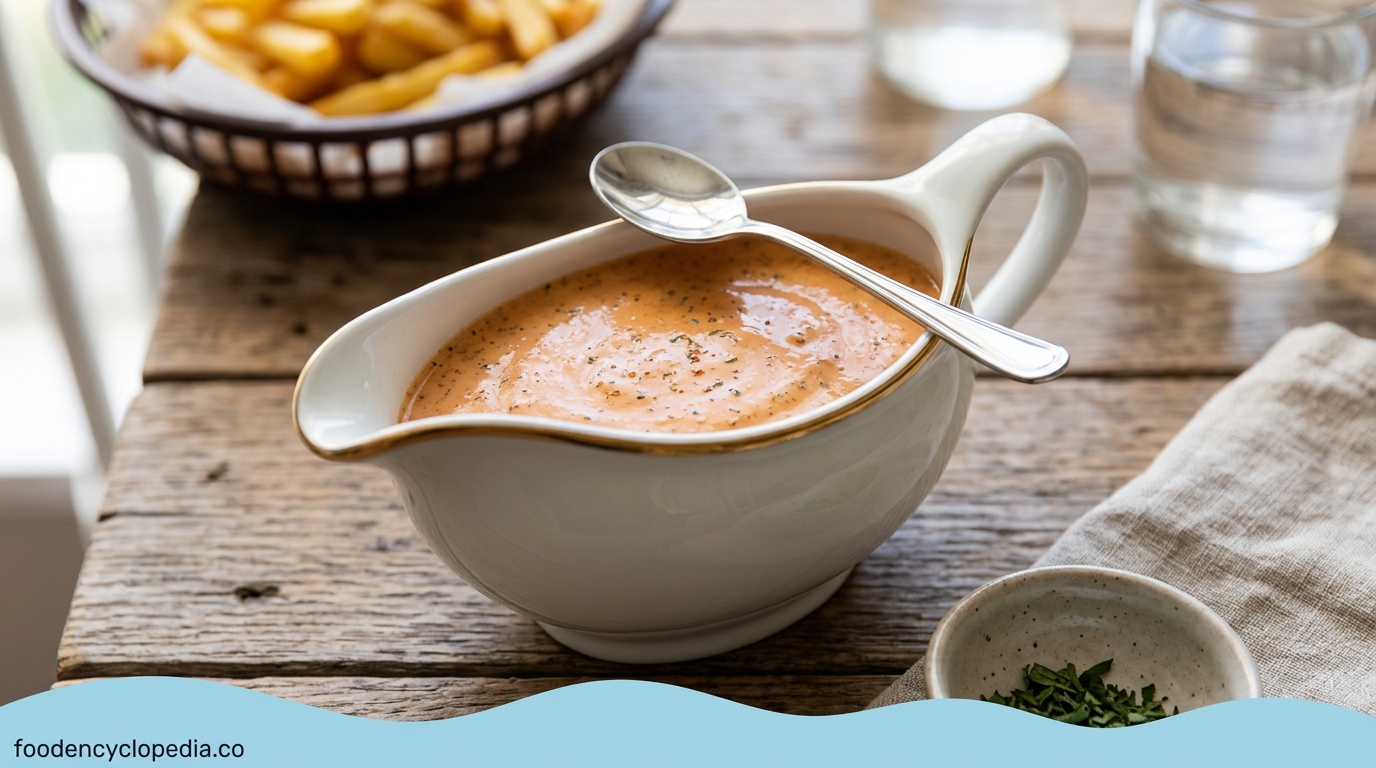
Algerian sauce is a mayonnaise-based condiment flavored with harissa, tomato, and warm spices like cumin, paprika, and garlic. It has a smooth, creamy texture with a noticeable kick of heat, balanced by a touch of sweetness and tang. It’s typically pale orange or reddish in color, thanks to the harissa and tomato paste blended into the mayonnaise base.
Despite its name, Algerian sauce is not actually a traditional Algerian recipe. It’s widely believed to have been popularized in Belgium and France, where it’s a fixture at friteries (fry shops), kebab restaurants, and French taco stands. Its name is thought to reference its North African-inspired flavor profile rather than a literal Algerian origin. Today, it’s enjoyed throughout Algeria, Morocco, Tunisia, France, Belgium, and Switzerland, with countless commercial and homemade variations.
What Does Algerian Sauce Taste Like?
Algerian sauce delivers a distinctive combination of flavors in a single bite:
- Creamy – from the mayonnaise base
- Spicy – from harissa, a North African chili paste
- Tangy – from lemon juice or vinegar
- Slightly sweet – from a small amount of sugar
- Warm and earthy – from spices like cumin and paprika
This balance of heat, creaminess, and sweetness is what makes it so popular as a dipping sauce and sandwich spread.
How Algerian Sauce Compares to Other Popular Snack Sauces
Algerian sauce is often served alongside other well-known sauces at kebab shops and friteries, such as sauce samouraï and sauce andalouse. Sauce samouraï tends to be spicier and more chili-forward, while sauce andalouse is milder, sweeter, and more tomato-based. Algerian sauce sits between the two — creamy and slightly sweet like andalouse, but with more heat and character thanks to the harissa, onion, and spice blend.
Key Ingredients in Algerian Sauce
A typical homemade Algerian sauce includes:
- Mayonnaise – The creamy base of the sauce
- Harissa paste – A North African chili paste that provides the signature heat
- Tomato paste – Adds color and a subtle tang
- Onion or shallot – Finely chopped, for texture and a mild bite
- Garlic – Fresh or powdered, for depth of flavor
- Ground cumin – A warm, earthy spice central to North African cooking
- Paprika – Adds color and gentle sweetness
- Lemon juice or vinegar – For acidity and brightness
- Sugar – A small amount to balance the heat and acidity
- Fresh cilantro or parsley (optional) – For a fresh, herby finish
How to Make Algerian Sauce at Home
One of the best things about Algerian sauce is how simple it is to make — no cooking required.
Ingredients (makes about 1 cup)
- 3/4 cup mayonnaise
- 1–2 tablespoons harissa paste (adjust to taste)
- 1 tablespoon tomato paste
- 1 small shallot or 1/4 red onion, very finely chopped
- 1 small garlic clove, minced (or 1/4 teaspoon garlic powder)
- 1/2 teaspoon ground cumin
- 1/2 teaspoon paprika
- 1 teaspoon lemon juice or white vinegar
- 1/2 teaspoon sugar
- Salt and black pepper, to taste
- 1 tablespoon fresh cilantro or parsley, finely chopped (optional)
Instructions
- Prep the aromatics. Finely chop the shallot or onion and garlic (or mince the garlic with a press). If using, finely chop the fresh cilantro or parsley.
- Combine the base ingredients. In a medium bowl, whisk together the mayonnaise, harissa paste, and tomato paste until smooth and well combined.
- Add the spices and aromatics. Stir in the chopped onion, garlic, cumin, paprika, lemon juice (or vinegar), and sugar. Mix thoroughly, making sure to scrape any tomato paste or harissa from the sides of the bowl.
- Season to taste. Add salt and black pepper, then taste and adjust — add more harissa for extra heat, more sugar for a milder sauce, or more lemon juice for extra tang.
- Chill before serving. Transfer the sauce to an airtight container and refrigerate for at least 30 minutes to 1 hour. This resting time allows the flavors to meld together fully.
- Serve. Stir well before serving, then use as a dip or spread.
Ways to Use Algerian Sauce
Algerian sauce is extremely versatile and works well as:
- A dip for French fries, potato wedges, or chips
- A spread for sandwiches, burgers, and wraps
- A sauce for French tacos (grilled tortilla wraps filled with fries, meat, and cheese)
- A topping for kebabs, gyros, or grilled meats
- A drizzle over roasted vegetables, grilled chicken, or seafood
Tips for Customizing Your Algerian Sauce
- Make it spicier: Add extra harissa or a pinch of chili flakes.
- Make it milder: Reduce the harissa slightly and add a bit more ketchup or sugar.
- Make it lighter: Replace part of the mayonnaise with Greek yogurt for a tangier, lower-fat version.
- Make it smoother: Blend the onion into the sauce with an immersion blender for a silkier, more restaurant-style texture.
- Add crunch: Top with crispy fried onions just before serving.
Storing Algerian Sauce
Because it’s mayonnaise-based, Algerian sauce should always be kept refrigerated in an airtight container. It will keep well for up to 7–10 days. It’s not suitable for freezing, as the mayonnaise base can separate and turn grainy once thawed.
Frequently Asked Questions
Is Algerian sauce actually from Algeria? Not exactly. While its name and spice profile draw on North African flavors, the sauce as it’s known today is widely credited to Belgian and French fast-food culture, particularly kebab shops and friteries.
What can I use instead of harissa? If harissa isn’t available, a chili paste like sambal oelek can provide a similar heat, though the flavor will be slightly different.
Is Algerian sauce very spicy? It has a noticeable kick, but it’s generally more balanced than fiery — the sweetness and creaminess help temper the heat from the harissa.
Can I make Algerian sauce vegan? Yes. Simply substitute a plant-based mayonnaise for the regular version; the rest of the ingredients are naturally vegan.
Final Thoughts
Algerian sauce is proof that a handful of simple ingredients — mayonnaise, harissa, and a few warming spices — can come together to create something far greater than the sum of its parts. Quick to make and endlessly versatile, it’s the perfect way to upgrade fries, sandwiches, kebabs, and more with minimal effort. Once you try it homemade, it may just become your new go-to condiment.