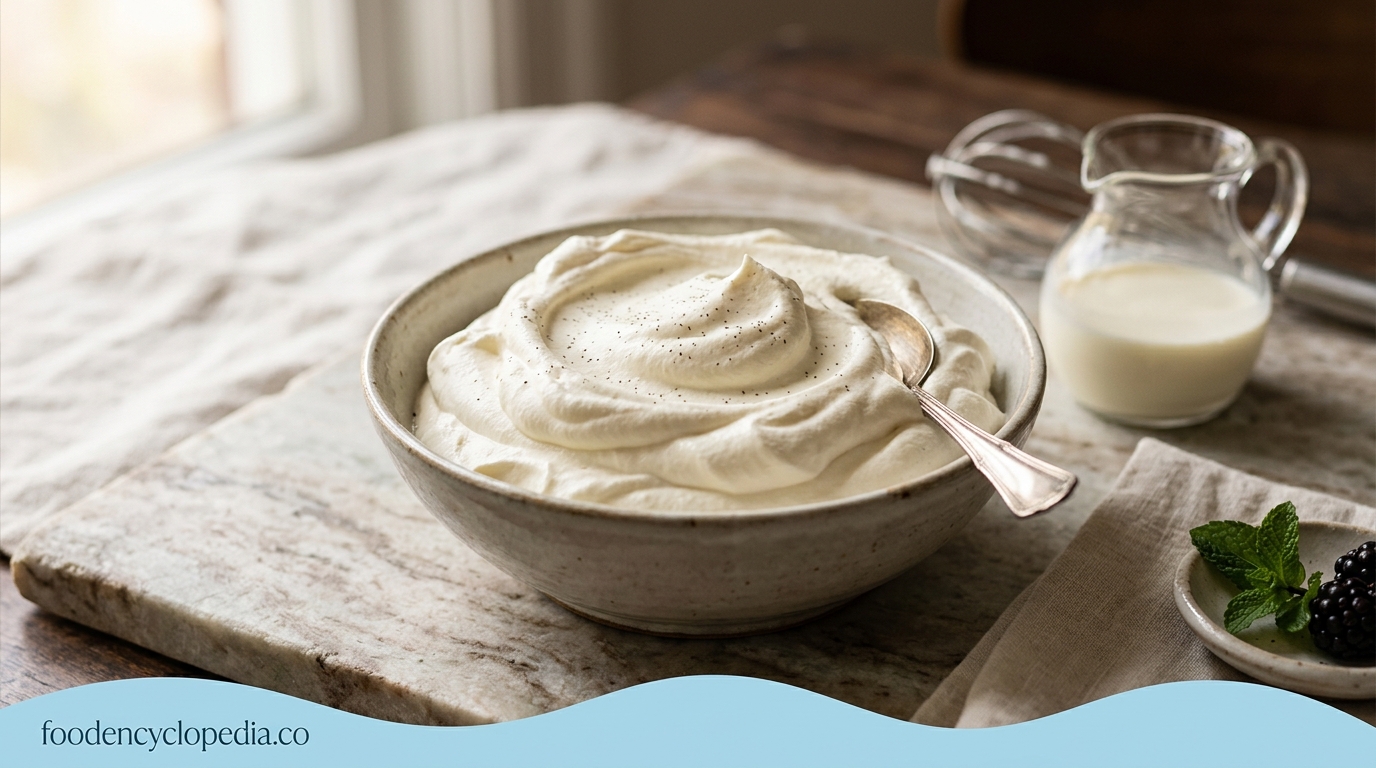
Heavy Whipping Cream
Heavy Whipping Cream: What It Is and How to Make It at Home
Heavy whipping cream is a kitchen staple prized for its rich texture and versatility, showing up in everything from morning coffee to decadent desserts. Whether you’re stocking your fridge for baking season or looking to make your own from scratch, understanding what heavy whipping cream is—and how it’s made—can help you get better results in the kitchen.
What Is Heavy Whipping Cream?
Heavy whipping cream (sometimes labeled simply “heavy cream”) is a dairy product made from the high-fat layer skimmed off the top of fresh milk before homogenization. By definition, it must contain at least 36% milk fat, which is what gives it that thick, luxurious texture and allows it to whip into stable, fluffy peaks.
This high fat content sets it apart from similar products:
- Heavy whipping cream: 36–40% milk fat
- Whipping cream (light): 30–36% milk fat
- Half-and-half: 10–18% milk fat
- Light cream: 18–30% milk fat
The higher the fat content, the more stable the whipped result—and the richer the flavor.
Common Uses for Heavy Whipping Cream
Heavy whipping cream’s versatility makes it a go-to ingredient in both sweet and savory cooking:
- Whipped cream for cakes, pies, and hot drinks
- Sauces and soups, where it adds body and richness without curdling
- Ganache and frosting for cakes and pastries
- Coffee creamer for a smooth, rich cup
- Ice cream and custards, thanks to its high fat content
- Pan sauces, deglazing agents, and creamy pasta dishes
How to Make Heavy Whipping Cream at Home
While heavy whipping cream is widely available at grocery stores, you can make a homemade version using just two ingredients: whole milk and unsalted butter. This method won’t perfectly replicate store-bought cream (which comes from separating cream naturally), but it works well in a pinch for cooking and baking.
Ingredients
- ¾ cup whole milk
- ⅓ cup unsalted butter, melted
Instructions
- Melt the butter. Gently melt the unsalted butter in a microwave or on the stovetop, then let it cool slightly so it doesn’t curdle the milk.
- Combine with milk. Slowly whisk the melted butter into the whole milk until fully combined and smooth.
- Chill before use. Refrigerate the mixture for at least an hour. This helps it thicken slightly and blend more seamlessly if you plan to whip it.
- Whip if needed. For whipped cream, use a hand mixer or stand mixer on medium-high speed until soft or stiff peaks form, depending on your recipe.
Tip: This homemade version works well in soups, sauces, and baked goods, but it whips less reliably than true heavy cream because the fat isn’t naturally emulsified the same way. For the best whipped cream texture, store-bought heavy whipping cream with 36%+ fat content is still the gold standard.
Tips for Working with Heavy Whipping Cream
- Keep it cold. Cream whips best when it’s cold—chill your bowl and beaters for extra volume and stability.
- Don’t overwhip. Heavy cream can quickly go from soft peaks to grainy or buttery if overbeaten.
- Add sugar and vanilla gradually once soft peaks form, for sweetened whipped cream.
- Store properly. Keep heavy cream refrigerated and use it within 7–10 days of opening for best flavor and texture.
Final Thoughts
Heavy whipping cream’s high fat content makes it uniquely suited for whipping, thickening, and enriching a wide range of dishes. While a quick homemade substitute using milk and butter can work in a pinch, nothing quite matches the texture and stability of true heavy whipping cream for whipped toppings and delicate desserts. Understanding the difference—and knowing how to use it—can elevate everything from your morning coffee to your holiday dessert table.