Coconut Oil
Coconut Oil: What It Is and How to Make It at Home
Coconut oil has moved from tropical kitchens into pantries, bathrooms, and beauty routines around the world. Its versatility, pleasant aroma, and long shelf life make it one of the most popular natural oils available. This guide explains what coconut oil is, the main types you’ll find, how it’s used, and how to make it yourself at home.
What Is Coconut Oil?
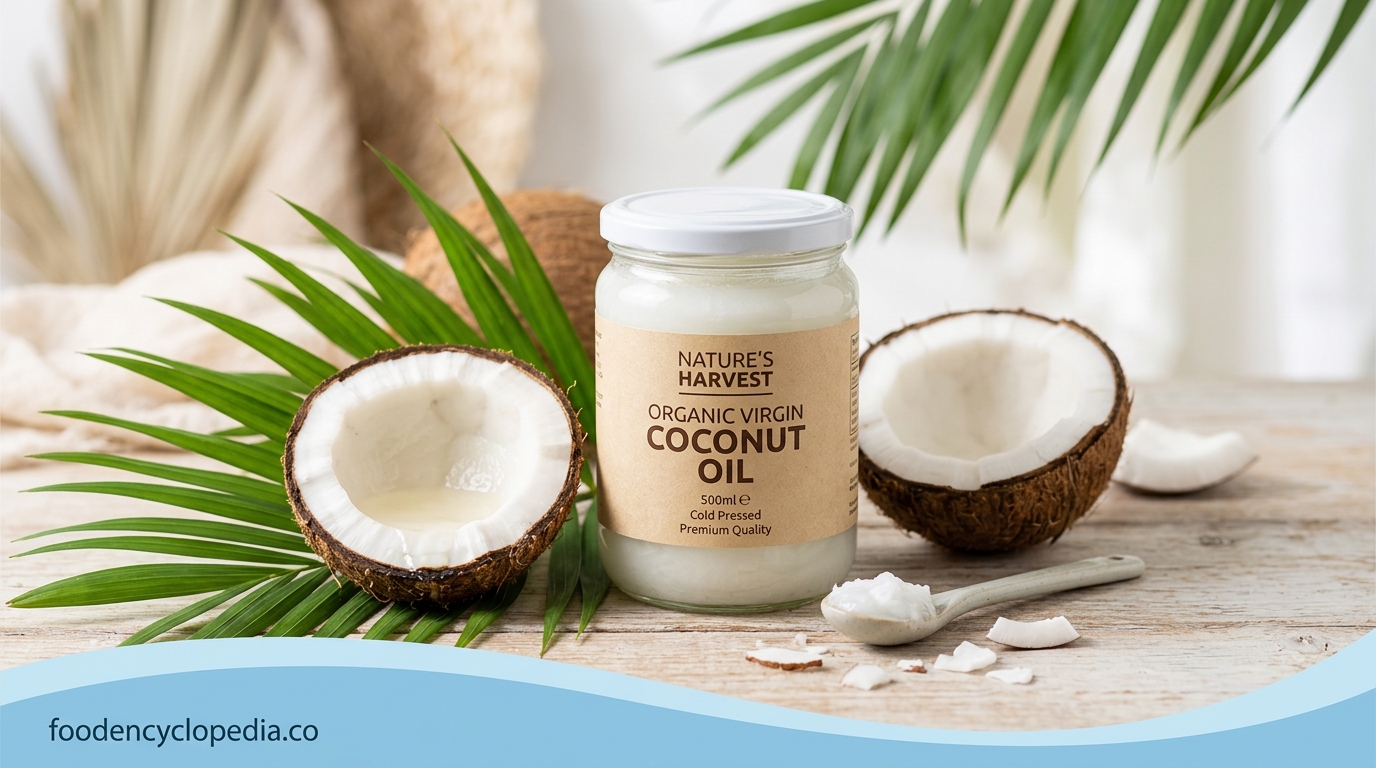
Coconut oil is an edible oil extracted from the meat (kernel) of mature coconuts, the fruit of the coconut palm (Cocos nucifera). At room temperature below roughly 24°C (76°F), it is a white, creamy solid. Above that, it melts into a clear liquid.
Its firm texture comes from its fat profile. Coconut oil is composed mostly of saturated fats, including lauric acid and medium-chain triglycerides (MCTs). This composition makes the oil stable for high-heat cooking and gives it a long shelf life.
Types of Coconut Oil
Not all coconut oil is the same. The label tells you a lot about how it was made:
- Virgin (unrefined) coconut oil: Made from fresh coconut meat without high-heat processing or chemical solvents. It keeps the natural coconut scent and flavor.
- Cold-pressed coconut oil: Extracted by mechanical pressing at low temperatures. It is often marketed as a higher-quality option.
- Refined coconut oil: Made from dried coconut meat (copra), then bleached and deodorized. It has a neutral taste and a higher smoke point, which suits cooking where you don’t want a coconut flavor.
- Fractionated coconut oil: A liquid form with most of the long-chain fats removed. It is common in skincare, massage oils, and hair products.
Common Uses of Coconut Oil
In the kitchen: Coconut oil is used for sautéing, baking, roasting, and frying. It works well in curries, granola, and vegan baking, where it can replace butter.
For skin and hair: Many people use it as a moisturizer, makeup remover, lip balm base, or hair conditioner.
Around the home: It is also used in DIY soaps, candles, and wood or leather conditioning.
A note on health: Because coconut oil is high in saturated fat, most health authorities recommend using it in moderation as part of a balanced diet. If you have concerns about heart health or cholesterol, talk with a doctor or registered dietitian.
How to Make Coconut Oil at Home
Homemade coconut oil takes some time but requires only a few ingredients and basic kitchen equipment. This popular wet-milling method produces virgin coconut oil.
What You’ll Need
- 4 to 5 mature, fresh coconuts (the yield is typically small, so more coconuts means more oil)
- A blender or food processor
- Warm water (not boiling)
- A fine mesh strainer or cheesecloth
- A large bowl or jar
- A refrigerator
- A clean, dry glass jar for storage
Step-by-Step Instructions
Step 1: Open the coconuts. Pierce the eyes and drain the coconut water. Crack each coconut open with a hammer or the back of a heavy knife.
Step 2: Remove the meat. Pry the white flesh from the shell, then rinse it to remove any debris. Peel off the thin brown skin if you want a whiter, milder oil.
Step 3: Chop the coconut. Cut the meat into small pieces so it blends more easily.
Step 4: Blend with warm water. Add the coconut pieces and about 1 to 2 cups of warm water to a blender. Blend on high until you have a thick, creamy mixture.
Step 5: Strain the coconut milk. Pour the mixture through cheesecloth or a fine strainer, squeezing firmly to extract as much liquid as possible. The liquid you collect is coconut milk.
Step 6: Refrigerate to separate. Place the coconut milk in a jar and refrigerate for 12 to 24 hours. The cream will rise and solidify into a layer on top, while the water stays below.
Step 7: Collect the cream. Scoop off the solid cream layer and discard or save the liquid underneath for smoothies or cooking.
Step 8: Heat gently to extract the oil. Warm the coconut cream in a pot over low heat, stirring occasionally. Over 30 to 60 minutes, the water evaporates and the oil separates from the milk solids, which turn golden-brown curds. Avoid high heat, which can burn the curds and give the oil a bitter taste.
Step 9: Strain the oil. Once the curds are golden and the oil is clear, pour it through a clean cheesecloth or fine filter into a dry jar.
Step 10: Cool and store. Let the oil cool completely before sealing. It will solidify at cooler temperatures.
Storage Tips
- Keep the oil in a clean, airtight glass jar in a cool, dark place.
- Make sure no water gets into the jar, since moisture can cause spoilage.
- Homemade oil may last several months, and often longer, when stored properly. Discard it if it smells rancid or shows signs of mold.
Alternative Method: Dry Extraction
Some people dry fresh coconut meat in a low oven or dehydrator, then grind and press it to extract oil. This method needs more equipment, such as an oil press, but it can produce a higher yield.
Tips for Better Results
- Choose mature coconuts. Young coconuts have too little meat and fat.
- Use clean, dry tools. Water contamination shortens shelf life.
- Keep the heat low. Gentle heating preserves flavor and aroma.
- Don’t waste the leftovers. The strained coconut pulp can be dried into coconut flour, and the golden curds can be eaten or used in cooking.
Final Thoughts
Coconut oil is a versatile natural product with uses that reach from the kitchen to the bathroom shelf. Store-bought options are convenient, but making it yourself gives you control over quality and a real appreciation for the process. Whether you choose virgin, refined, or fractionated oil, understanding how it’s made helps you choose the right product for your needs.
Frequently Asked Questions
How much oil does one coconut produce?
Yields vary, but one medium coconut typically gives only a few tablespoons of oil.
Is homemade coconut oil the same as virgin coconut oil?
Yes, when made from fresh coconut meat without chemical processing, it is essentially virgin coconut oil.
Can I use coconut oil for high-heat cooking?
Refined coconut oil handles higher heat well. Virgin coconut oil has a lower smoke point, so it’s better for medium-heat cooking and baking.