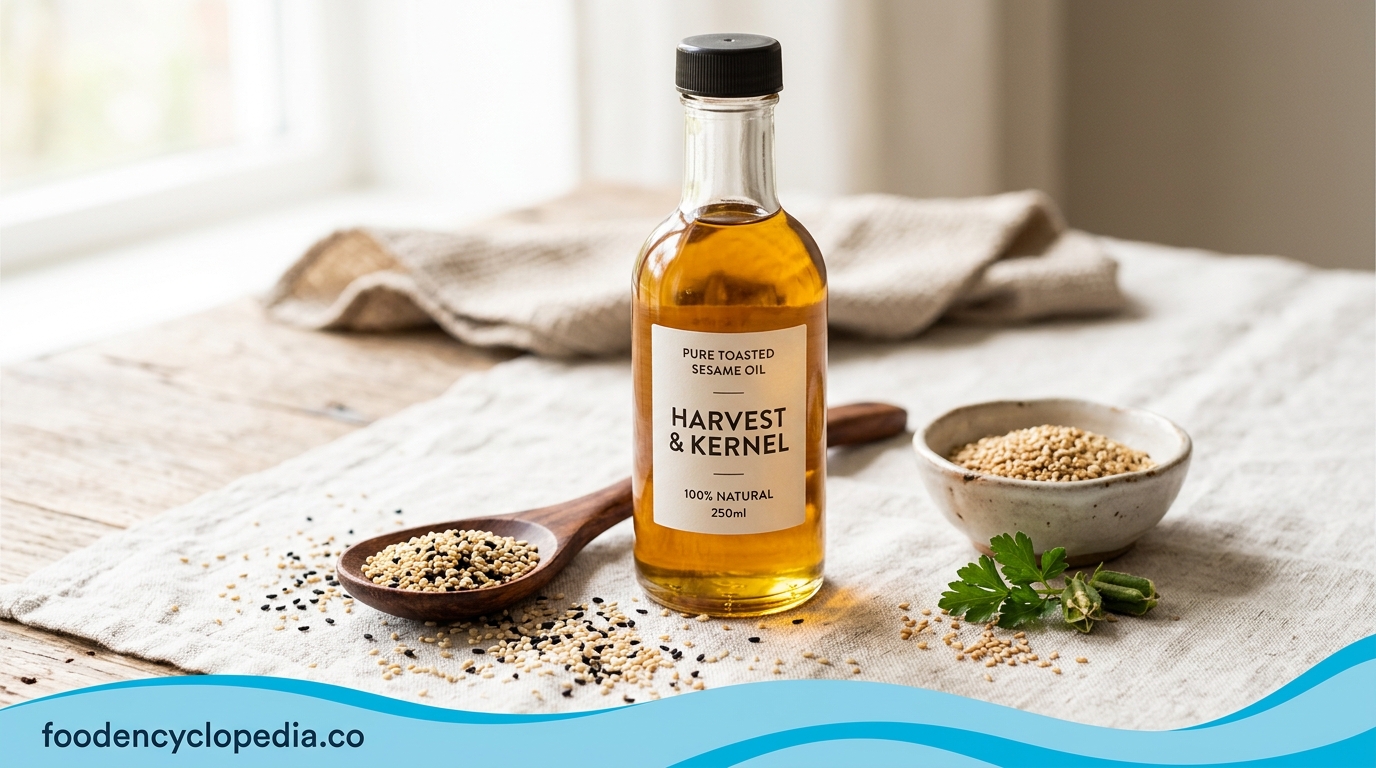
Sesame Oil
Sesame Oil: A Complete Introduction and Step-by-Step Guide to Making It at Home
What Is Sesame Oil?
Sesame oil is a vegetable oil extracted from the seeds of Sesamum indicum, one of the oldest oilseed crops in the world. Cultivated for over 4,000 years across Asia, Africa, and the Middle East, it is prized for its rich, nutty flavor, its stability at high temperatures, and its long shelf life compared to many other plant oils.
Today, sesame oil is a staple in East Asian, South Asian, and Middle Eastern kitchens, and it has become increasingly popular in Western cooking, skincare, and traditional wellness practices.
Types of Sesame Oil
Not all sesame oil is the same. The flavor, color, and best use depend on how the seeds are processed.
Toasted (dark) sesame oil is made from roasted seeds. It has a deep amber color and an intense, aromatic flavor. Because heat diminishes its aroma, it is typically used as a finishing oil, drizzled over noodles, soups, stir-fries, and dressings.
Light (untoasted) sesame oil is pressed from raw seeds. It is pale gold with a mild flavor and a higher smoke point, which makes it well suited to frying, sautéing, and everyday cooking.
Cold-pressed sesame oil is extracted at low temperatures without external heat, which helps preserve flavor and natural compounds. It is often sold as a premium, unrefined oil.
Refined sesame oil is filtered and processed for a neutral taste and a very high smoke point, though it loses much of the characteristic sesame aroma.
Nutritional Profile and Potential Benefits
Sesame oil is made up mostly of unsaturated fats, primarily oleic acid (monounsaturated) and linoleic acid (polyunsaturated). It also contains natural antioxidants, including sesamol and sesamin, along with vitamin E, which contribute to its stability and shelf life.
Commonly cited benefits include:
- Heart-friendly fats: Replacing saturated fats with unsaturated oils is associated with better cardiovascular health.
- Antioxidant content: Sesame lignans and vitamin E help protect the oil from oxidation.
- Cooking versatility: Its stability makes it suitable for multiple cooking methods.
- Traditional topical uses: It has long been used for massage and hair and skin care, notably in Ayurvedic practice.
Note: This article is for general information and is not medical advice. Anyone with a sesame allergy should avoid sesame oil entirely, as sesame is a recognized major allergen.
Popular Uses of Sesame Oil
- Finishing stir-fries, ramen, and dumplings
- Salad dressings and marinades
- Dipping sauces and chili oils
- Roasting vegetables
- Traditional massage and skincare routines
How to Make Sesame Oil at Home
Homemade sesame oil is a rewarding project, and the flavor is noticeably fresher than most store-bought bottles. Below are two practical methods.
What You’ll Need
- 2 to 4 cups of raw, hulled or unhulled sesame seeds (fresh, high-quality seeds give the best yield)
- A heavy skillet or baking sheet (for toasted oil)
- A small oil press or a food processor/high-speed blender
- Fine mesh strainer, cheesecloth, or nut milk bag
- Clean, dry glass jar or bottle with an airtight lid
Step 1: Clean and Prepare the Seeds
Rinse the seeds briefly to remove dust or debris, then spread them out and dry them completely. Moisture reduces oil yield and shortens shelf life, so make sure they are fully dry before continuing.
Step 2: Toast the Seeds (Optional, for Toasted Oil)
For a dark, aromatic oil, toast the seeds in a dry skillet over medium-low heat for 5 to 8 minutes, stirring constantly, until fragrant and lightly golden. You can also toast them on a baking sheet at 350°F (175°C) for 8 to 10 minutes. Avoid browning them too far, since burnt seeds make bitter oil. For light, mild oil, skip this step and use raw seeds. Let the seeds cool fully before pressing.
Step 3: Extract the Oil
Method A: Using an oil press (best yield). Feed the seeds into a small manual or electric expeller-style press following the manufacturer’s instructions. Oil will drip from the spout while the pressed seed cake exits separately. Seeds typically yield roughly one-third of their volume in oil, depending on the press and seed quality.
Method B: Without a press (kneading method).
- Grind the seeds in a food processor or blender until they form a thick, smooth paste, scraping down the sides as needed.
- Transfer the paste to a bowl and add a small amount of warm water, about 1 to 2 tablespoons at a time.
- Knead and stir the paste vigorously for several minutes. The oil will slowly begin to separate and rise to the surface.
- Continue adding water and kneading until no more oil rises.
- Skim or spoon off the oil layer. Squeezing the paste in cheesecloth helps release more.
This method yields less oil than a press but requires no special equipment.
Step 4: Strain and Filter
Pour the oil through a fine mesh strainer lined with cheesecloth to remove any fine particles. If you used the kneading method, let the oil sit for several hours so any water settles to the bottom, then carefully pour off the clear oil on top. Removing all water is important to prevent spoilage.
Step 5: Bottle and Store
Transfer the oil to a clean, dry, dark glass bottle. Store it in a cool, dark place or the refrigerator. Homemade sesame oil is best used within 2 to 3 months, or up to 6 months when refrigerated. Discard it if it smells sour, rancid, or off.
Tips for the Best Results
- Choose fresh seeds. Old seeds produce lower yields and can taste stale.
- Watch the heat. Gentle toasting builds flavor; scorching ruins it.
- Keep everything dry. Water left in the oil is the main cause of spoilage in homemade batches.
- Use the seed cake. The leftover pressed seeds can be added to baked goods, granola, or sauces.
- Start small. Make a small batch first to dial in your preferred toast level.
Buying Sesame Oil: What to Look For
If you prefer to buy rather than make your own, check the label for:
- “100% sesame oil” with no blended oils
- “Cold-pressed” or “unrefined” for maximum flavor
- Dark glass packaging, which protects against light degradation
- A recent production or best-by date
Frequently Asked Questions
Is toasted sesame oil good for cooking at high heat?
Toasted sesame oil has a lower smoke point and is best used as a finishing oil or in low-heat cooking. Light sesame oil is better for frying.
How much oil do sesame seeds produce?
Sesame seeds are roughly 50% oil by weight, though home methods extract less than industrial ones.
Can I make sesame oil without a press?
Yes. The grinding-and-kneading method works, although it produces a smaller yield.
How long does homemade sesame oil last?
Typically 2 to 3 months at room temperature in a dark place, and longer when refrigerated.
Final Thoughts
Sesame oil is a flavorful, versatile ingredient with deep roots in global cuisine and traditional wellness. Whether you buy a bottle of toasted oil to finish your favorite noodle dish or press your own from fresh seeds, understanding the differences between types and methods helps you get the best flavor and value from every drop.