Moroccan Smen Beldi
Moroccan Smen Beldi: The Ancient Fermented Butter That Defines Authentic Moroccan Cuisine
Discover the Rich Heritage of Moroccan Smen Beldi
Moroccan Smen Beldi is one of the country’s most treasured traditional foods, celebrated for its distinctive flavor, cultural significance, and centuries-old production methods. Often referred to as Moroccan fermented butter, Smen Beldi is a staple ingredient in authentic Moroccan cooking, adding depth and complexity to iconic dishes such as tagines, couscous, and traditional festive meals.
Unlike ordinary butter, Smen Beldi undergoes a natural fermentation and aging process that transforms its taste, aroma, and culinary properties. This artisanal product has been passed down through generations of Moroccan families, preserving a unique gastronomic heritage that continues to captivate food enthusiasts around the world.
What Is Smen Beldi?
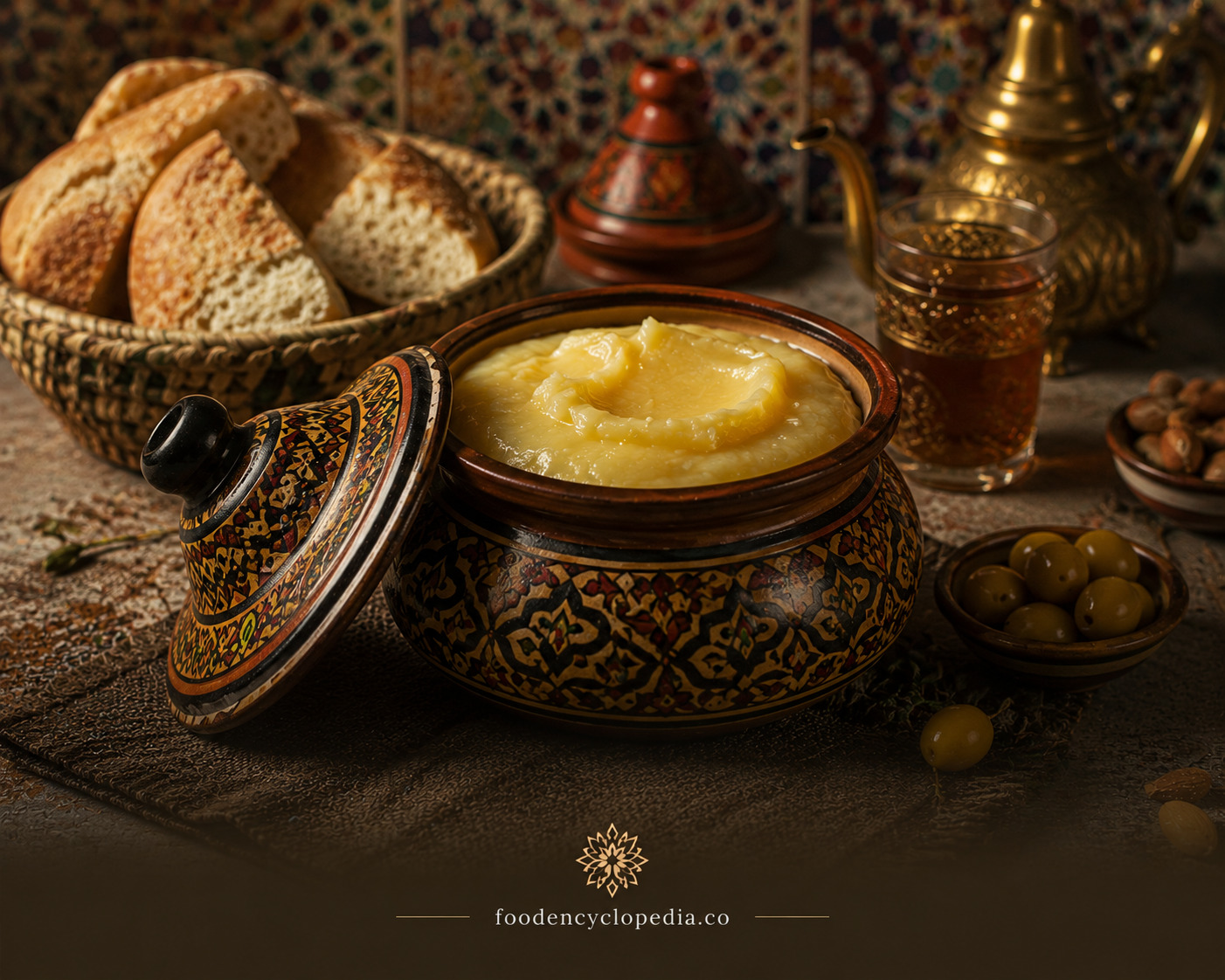
Smen Beldi is a traditional Moroccan preserved butter made from fresh cow’s, sheep’s, or goat’s milk butter. Through a process of salting, fermentation, and aging, the butter develops a rich, pungent aroma and a complex umami flavor that distinguishes it from conventional dairy products.
In Moroccan households, aged Smen is often considered more valuable than fresh butter. Some families preserve Smen for years, allowing it to mature and develop increasingly intense flavors that enhance traditional recipes.
How Moroccan Smen Beldi Is Made
The production of authentic Smen Beldi follows a meticulous artisanal process that has remained largely unchanged for centuries.
1. Churning Fresh Butter
The process begins with fresh cream or milk collected from cows, sheep, or goats. The cream is traditionally churned to produce natural butter, known locally as “zebda.”
2. Washing and Draining
The freshly churned butter is carefully washed with water to remove excess buttermilk. This step helps improve preservation and prepares the butter for fermentation.
3. Salting the Butter
Salt is thoroughly mixed into the butter. The salt acts as a natural preservative while contributing to the characteristic flavor profile of Smen Beldi.
4. Fermentation and Flavor Development
The salted butter is placed in earthenware jars, glass containers, or traditional clay vessels. In some regions, aromatic herbs such as thyme, oregano, or wild herbs may be added to enhance the flavor.
The butter is then sealed and left to ferment naturally. During this period, beneficial microorganisms transform the butter, creating the distinctive aroma and savory taste that Smen is known for.
5. Aging and Maturation
The most important stage is aging. Smen can mature for several months or even several years in a cool, dark environment. As it ages, its texture becomes smoother and its flavor grows more concentrated and complex.
The result is a golden, aromatic fermented butter that serves as a cornerstone of traditional Moroccan gastronomy.
Culinary Uses of Smen Beldi
Smen Beldi plays an essential role in Moroccan cuisine. It is commonly used in:
- Traditional Moroccan tagines
- Couscous dishes
- Rfissa
- Harira soup
- Roasted meats and poultry
- Special occasion and festive recipes
Even a small amount of Smen can dramatically enhance a dish, providing a rich depth of flavor that cannot be replicated by ordinary butter or cooking oils.
Health and Nutritional Benefits
When produced using traditional methods and high-quality milk, Smen Beldi contains beneficial fats, fat-soluble vitamins, and naturally occurring compounds developed during fermentation. Like many traditional fermented foods, it is appreciated not only for its flavor but also for its contribution to a balanced diet when consumed in moderation.
Preserving Morocco’s Culinary Heritage
Today, Smen Beldi remains a symbol of Morocco’s rich culinary traditions. As interest in artisanal and fermented foods continues to grow worldwide, this unique fermented butter is gaining recognition among chefs, food historians, and culinary enthusiasts seeking authentic flavors and traditional craftsmanship.
Whether enjoyed in a family tagine or incorporated into modern gastronomy, Moroccan Smen Beldi stands as a testament to the country’s enduring food heritage, offering a taste of history in every spoonful.
Conclusion
Moroccan Smen Beldi is far more than a cooking ingredient—it’s a cultural treasure rooted in generations of knowledge and tradition. Through the careful processes of churning, salting, fermenting, and aging, Moroccan artisans create a product that embodies the authentic flavors of Morocco. For anyone interested in traditional foods, fermented dairy products, or Moroccan cuisine, Smen Beldi offers an unforgettable culinary experience.