Argan Oil
Argan Oil: The Complete Guide to Morocco’s “Liquid Gold” and How It’s Made
Argan oil has earned its nickname “liquid gold” for good reason. Prized for centuries by the Berber communities of southwestern Morocco, this rare and nutrient-rich oil has become a global staple in skincare, haircare, and gourmet cooking. But what exactly is argan oil, why is it so valuable, and how is it actually produced? This guide breaks down everything you need to know.
What Is Argan Oil?
Argan oil is extracted from the kernels of the argan tree (Argania spinosa), a species native almost exclusively to the semi-arid Souss Valley of Morocco. The argan tree is remarkably hardy, capable of surviving in poor soil and extreme heat, with root systems that can extend over 100 feet to reach groundwater. This resilience allows the tree to thrive in a region where few other crops can survive, making argan oil production a vital economic lifeline for local communities, particularly Berber women’s cooperatives.
Because argan trees grow in such a limited geographic area and the oil-extraction process is highly labor-intensive, argan oil ranks among the most expensive edible and cosmetic oils in the world.
Why Is Argan Oil So Popular?
Argan oil’s popularity stems from its impressive nutritional and cosmetic profile. It’s rich in:
- Vitamin E, a powerful antioxidant that helps protect skin cells from damage
- Essential fatty acids, including oleic and linoleic acid, which support skin hydration and elasticity
- Polyphenols and sterols, compounds associated with anti-inflammatory and antioxidant benefits
- Squalene, a natural moisturizing agent found in healthy skin
These properties make argan oil a popular ingredient in moisturizers, hair serums, anti-aging creams, and nail treatments. In its food-grade form, it’s also drizzled over dishes in Moroccan cuisine for its distinct nutty flavor.
Types of Argan Oil
There are two main varieties, distinguished by how the kernels are prepared before pressing:
- Cosmetic argan oil – Made from raw, unroasted kernels. It has a light color, a mild scent, and is used in skincare and haircare products.
- Culinary argan oil – Made from roasted kernels, giving it a deeper amber color and a rich, toasted flavor. This variety is used in cooking, often paired with bread, couscous, or salads.
How Is Argan Oil Made? Step-by-Step Production Process
Traditional argan oil production is a meticulous, largely manual process that can take up to 20 hours of labor to produce a single liter. Here’s how it works, from tree to bottle.
1. Harvesting the Argan Fruit
The process begins with harvesting ripe argan fruit, which falls naturally from the trees between June and August. The fruit resembles a small, olive-like drupe with a thick, bitter outer pulp.
2. Removing the Pulp
Once collected, the outer fruit pulp is removed, either by hand or, increasingly, using mechanical depulping equipment. This step exposes the hard nut inside, which contains the valuable kernels.
3. Cracking the Nuts
This is the most labor-intensive part of the process. Workers, traditionally women, crack the extremely hard argan nuts between two stones to extract the small kernels inside without crushing them. Each nut typically contains one to three kernels, and it can take hours to crack enough nuts to produce even a small quantity of oil.
4. Roasting (For Culinary Oil Only)
If culinary oil is being made, the kernels are lightly roasted in a pan over low heat. This roasting step develops the oil’s signature nutty aroma and flavor. Cosmetic oil skips this step entirely to preserve a neutral scent and maximize skin-friendly properties.
5. Grinding the Kernels
The kernels are ground into a thick paste, traditionally using a hand-cranked stone mill. This grinding process breaks down the cellular structure of the kernel, releasing the oil.
6. Extracting the Oil
Water is added to the paste, and the mixture is kneaded by hand. This kneading separates the oil from the solid pulp. The oil rises to the surface and is carefully skimmed off, while the leftover paste (called feggous) is often repurposed as animal feed.
7. Filtering and Settling
The extracted oil is left to settle so that any remaining sediment sinks to the bottom. It’s then filtered, sometimes multiple times, to achieve a clear, pure final product.
8. Bottling
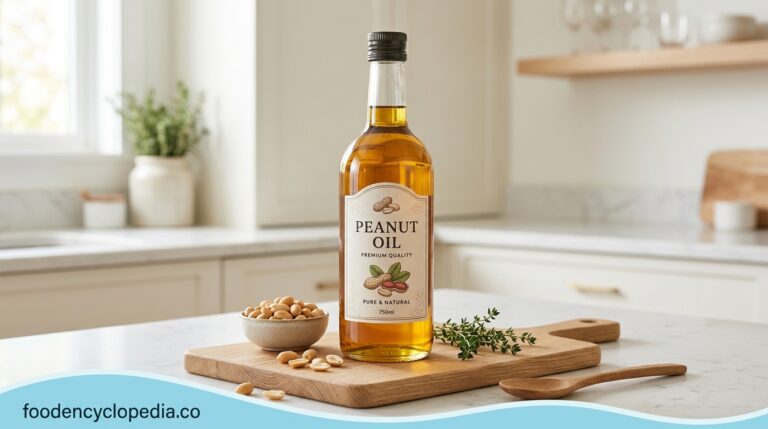
Once filtered, the oil is bottled, typically in dark glass containers to protect it from light and oxidation, which can degrade its quality and shelf life.
Modern vs. Traditional Production
While many cooperatives still rely on the traditional hand-extraction method to preserve authenticity and support fair-trade employment, larger commercial producers often use mechanical presses to increase output and meet growing international demand. Mechanical extraction is faster and more cost-effective, but many connoisseurs argue that hand-pressed argan oil retains a superior aroma and nutrient profile.
Choosing High-Quality Argan Oil
When shopping for argan oil, keep these tips in mind:
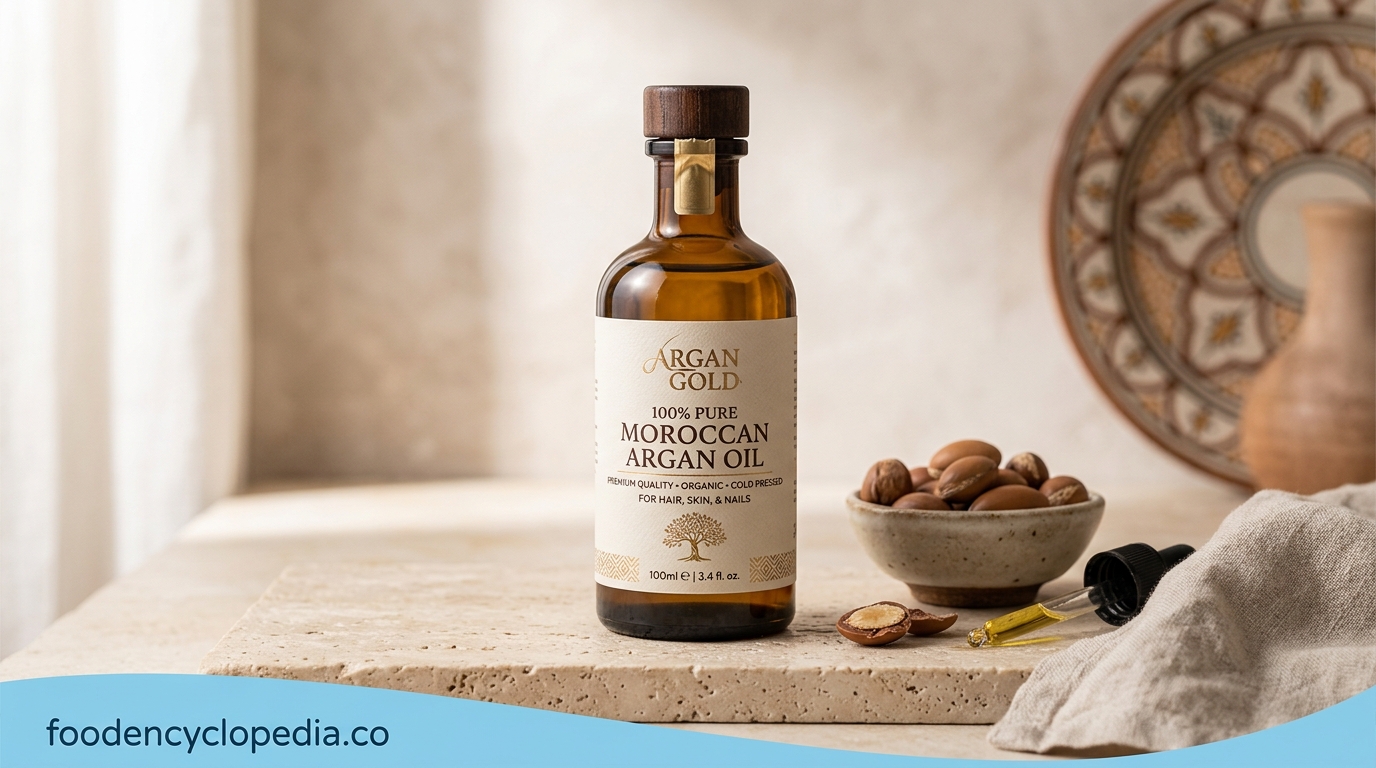
- Check the label for “100% pure argan oil” without added fillers or synthetic fragrances.
- Look for certification, such as USDA Organic or Ecocert, which verifies quality and ethical sourcing.
- Consider the source — oil from Moroccan women’s cooperatives often supports fair wages and sustainable harvesting practices.
- Check the color and scent — pure cosmetic argan oil should be light golden with a subtle, nutty smell, not overpowering or artificial.
Final Thoughts
Argan oil’s journey from the rugged trees of southwestern Morocco to bottles on skincare shelves worldwide is a testament to both nature’s resilience and human craftsmanship. Whether you’re drawn to its moisturizing benefits for skin and hair or its rich, nutty flavor in the kitchen, understanding how argan oil is made only deepens appreciation for this remarkable “liquid gold.”