Tahini Sauce
Tahini Sauce: The Creamy Sesame-Based Staple of Middle Eastern Cuisine
Tahini sauce is one of the most iconic and versatile sauces in Middle Eastern and Mediterranean cuisine. Known for its creamy texture, nutty flavor, and rich nutritional profile, tahini sauce is a fundamental component of countless traditional dishes. Whether served with falafel, shawarma, grilled meats, fresh vegetables, or salads, tahini sauce adds a distinctive depth of flavor that has made it popular worldwide.
Made primarily from ground sesame seeds, tahini sauce is valued not only for its delicious taste but also for its impressive nutritional benefits. Its smooth consistency and balanced flavor make it an essential ingredient in both classic recipes and modern culinary creations.
What Is Tahini Sauce?
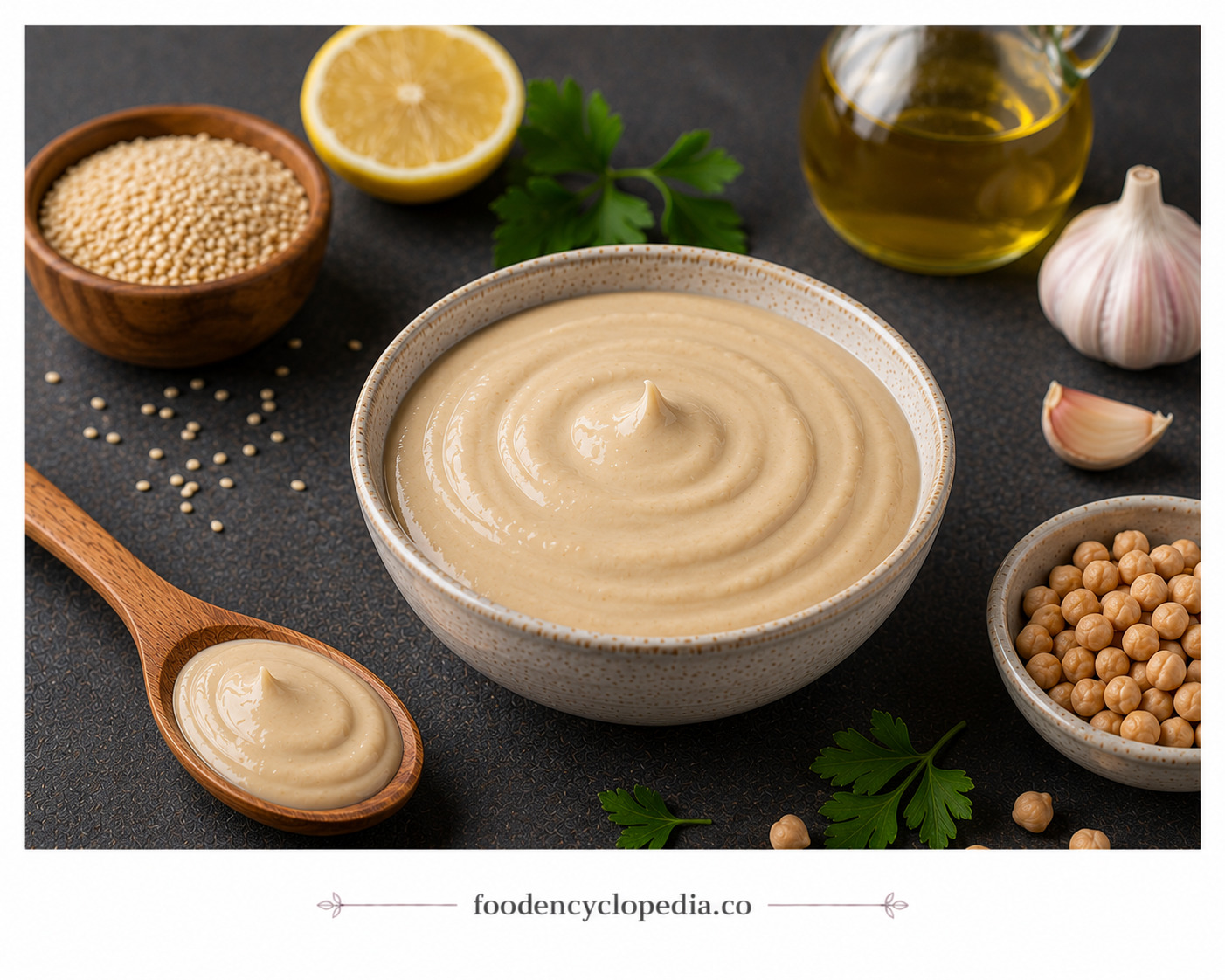
Tahini sauce is a creamy condiment made from tahini, a paste created by grinding toasted sesame seeds. When mixed with ingredients such as lemon juice, garlic, water, and salt, tahini transforms into a smooth, flavorful sauce that pairs beautifully with a wide variety of foods.
Its earthy, slightly nutty taste and velvety texture make it a favorite accompaniment throughout the Middle East, North Africa, and beyond.
How Tahini Sauce Is Made
Homemade tahini sauce is quick and easy to prepare, requiring only a few simple ingredients.
Ingredients
- ½ cup tahini (sesame paste)
- ¼ cup fresh lemon juice
- 1–2 garlic cloves, minced
- ¼ cup cold water (or more as needed)
- ½ teaspoon salt
- 1 tablespoon olive oil (optional)
- Chopped parsley for garnish (optional)
Instructions
1. Combine the Base Ingredients
In a medium bowl, add the tahini, lemon juice, minced garlic, and salt. Stir well until combined.
2. Add Water Gradually
Slowly add the cold water while whisking continuously. The mixture may initially thicken before becoming smooth and creamy.
3. Adjust the Consistency
Continue adding small amounts of water until the sauce reaches the desired consistency.
4. Enhance the Flavor
If desired, stir in olive oil for extra richness and adjust the seasoning to taste.
5. Serve or Store
Serve immediately or refrigerate in an airtight container for up to one week.
Nutritional Benefits of Tahini Sauce
Tahini sauce is rich in healthy fats, plant-based protein, dietary fiber, and essential minerals such as calcium, magnesium, phosphorus, and iron. Sesame seeds also contain antioxidants and beneficial plant compounds that contribute to overall wellness.
Because it is naturally plant-based, tahini sauce is popular among vegetarians and vegans seeking nutritious and flavorful alternatives to dairy-based sauces.
Popular Uses for Tahini Sauce
Tahini sauce is commonly served with:
- Falafel
- Shawarma and kebabs
- Grilled meats and chicken
- Roasted vegetables
- Hummus and mezze platters
- Salads and grain bowls
- Sandwiches and wraps
- Seafood dishes
- Mediterranean appetizers
Its versatility makes it one of the most widely used sauces in Middle Eastern cuisine.
Tips for the Best Homemade Tahini Sauce
- Use high-quality tahini made from roasted sesame seeds.
- Always add water gradually to achieve the perfect texture.
- Fresh lemon juice provides the brightest flavor.
- Allow the sauce to rest for a few minutes before serving.
- Adjust garlic and lemon levels according to personal preference.
Conclusion
Tahini sauce is a timeless culinary staple that combines simplicity, nutrition, and exceptional flavor. Made from sesame-based tahini and a handful of fresh ingredients, it delivers a creamy texture and rich nutty taste that enhances countless dishes. Whether served as a dip, dressing, or accompaniment, homemade tahini sauce brings authentic Middle Eastern flavor and wholesome goodness to every meal.