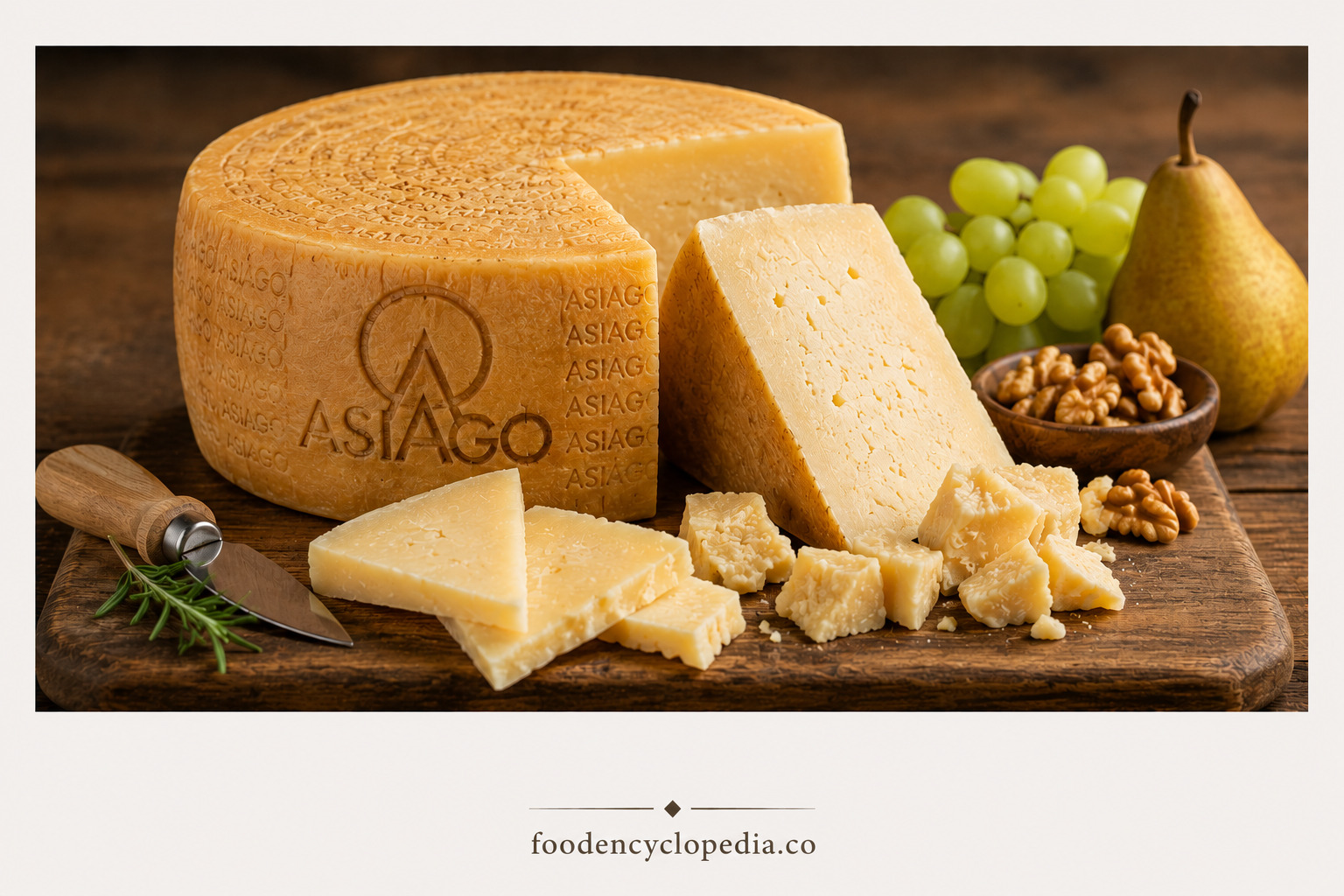
Asiago Cheese
Asiago Cheese: Italy’s Traditional Cheese with Rich Flavor and Remarkable Versatility
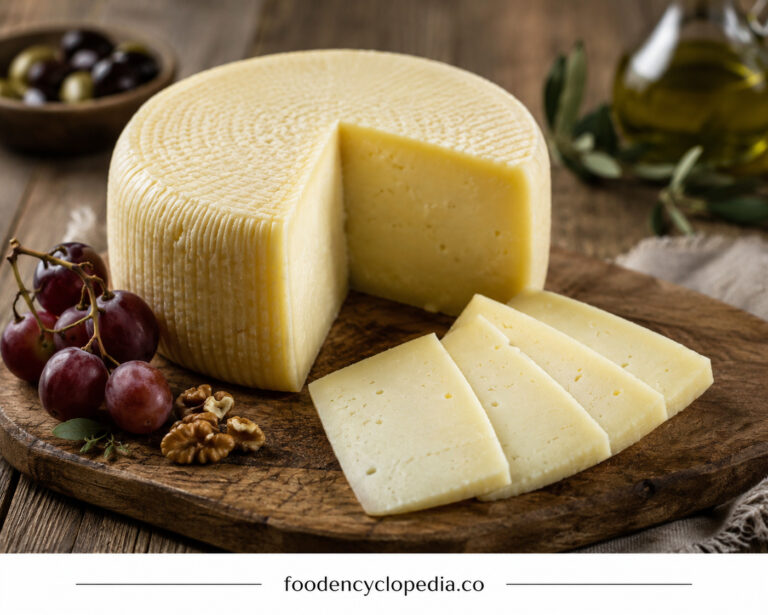
Asiago cheese is one of Italy’s most treasured dairy products, celebrated for its rich flavor, distinctive texture, and centuries-old cheesemaking heritage. Originating in the Asiago Plateau of northeastern Italy, this renowned cheese has earned worldwide recognition for its exceptional quality and culinary versatility. Whether enjoyed on its own, grated over pasta, or incorporated into gourmet recipes, Asiago cheese remains a favorite among cheese lovers and culinary professionals alike.
What Is Asiago Cheese?
Asiago is a cow’s milk cheese produced primarily in the Veneto and Trentino-Alto Adige regions of Italy. It has been crafted for more than a thousand years and is protected under the European Union’s Protected Designation of Origin (PDO) status, ensuring that authentic Asiago is made according to strict traditional methods.
The cheese is available in different aging stages, each offering unique characteristics that appeal to a wide range of tastes and culinary applications.
Types of Asiago Cheese
Asiago Fresco (Fresh Asiago)
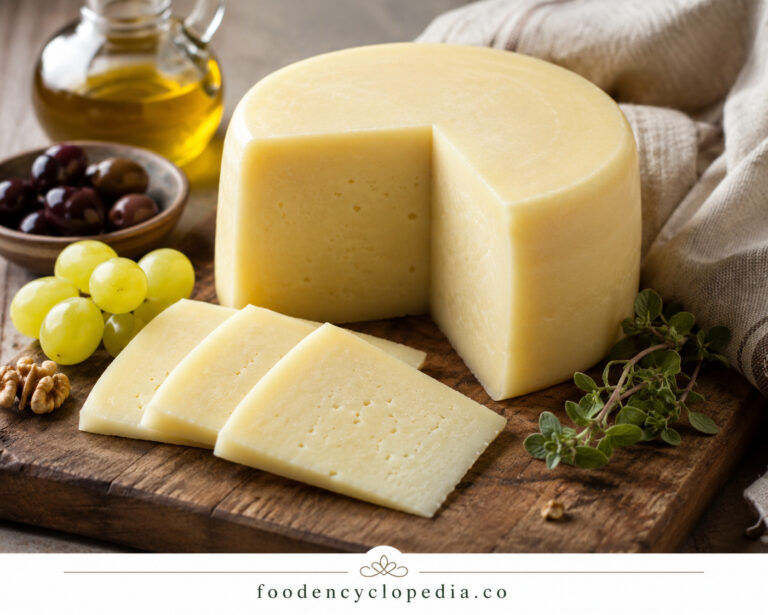
Also known as Asiago Pressato, this younger variety is aged for approximately 20 to 40 days. It features a smooth, soft texture and a mild, slightly sweet flavor with delicate buttery notes. Fresh Asiago is ideal for sandwiches, salads, and light appetizers.
Asiago Stagionato (Aged Asiago)
This mature version is aged for several months to over a year. As it ages, the cheese develops a firmer texture and a richer, nuttier, and more complex flavor profile. Aged Asiago is commonly grated over pasta, risotto, soups, and baked dishes.
Flavor and Texture
The flavor of Asiago cheese evolves significantly during maturation. Fresh Asiago offers a creamy, mild taste, while aged varieties develop deeper savory notes with hints of nuts and a pleasant sharpness. Its texture transitions from soft and elastic to firm, crumbly, and granular as the aging process progresses.
Nutritional Benefits of Asiago Cheese
Asiago cheese provides a variety of essential nutrients, including:
- High-quality protein that supports muscle growth and maintenance.
- Calcium for healthy bones and teeth.
- Phosphorus for bone strength and energy metabolism.
- Vitamin B12 for nervous system health.
- Beneficial dairy fats that contribute to satiety and flavor.
When consumed in moderation, Asiago can be a nutritious addition to a balanced diet.
Culinary Uses of Asiago Cheese
Asiago’s versatility makes it a valuable ingredient in many recipes. Popular uses include:
- Cheese platters and charcuterie boards.
- Sandwiches and paninis.
- Pasta dishes and risottos.
- Soups and casseroles.
- Gourmet pizzas and flatbreads.
- Salads and vegetable dishes.
Its excellent melting properties and rich flavor enhance both traditional Italian cuisine and contemporary recipes.
How to Store Asiago Cheese
To maintain freshness and quality, Asiago cheese should be wrapped in cheese paper, parchment paper, or wax paper and stored in the refrigerator. Proper storage helps preserve its flavor, texture, and moisture content. For the best tasting experience, allow the cheese to reach room temperature before serving.
Conclusion
Asiago cheese represents the perfect balance of Italian tradition, exceptional craftsmanship, and culinary versatility. From its mild and creamy fresh form to its richly flavored aged varieties, Asiago offers something for every palate. Its distinctive taste, nutritional value, and adaptability in the kitchen continue to make it one of the world’s most admired and widely enjoyed cheeses.