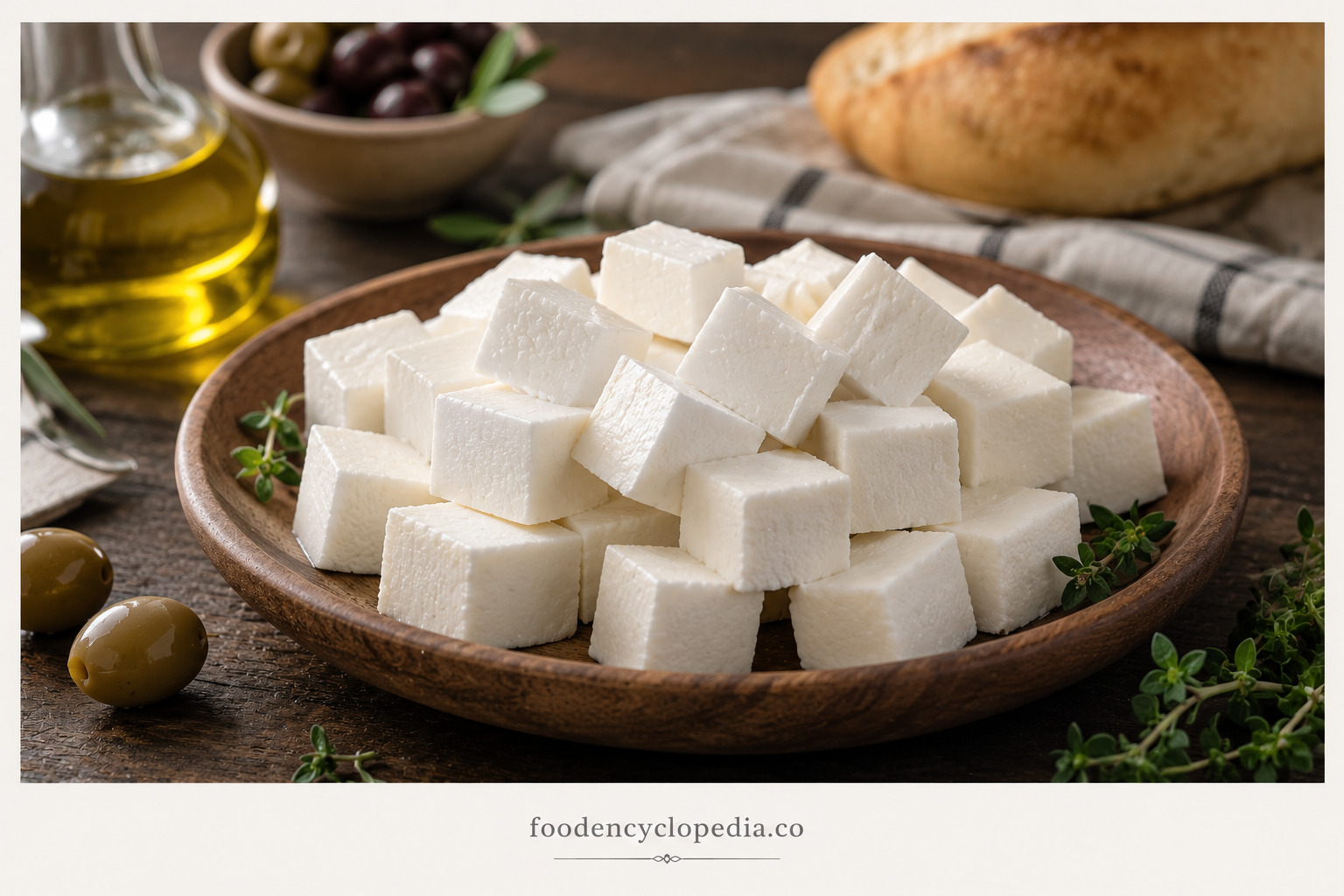
Istanbuli cheese
Istanbuli Cheese: A Traditional Middle Eastern Delicacy and How It Is Made
Introduction to Istanbuli Cheese
Istanbuli cheese is one of the most popular white brined cheeses enjoyed throughout the Middle East and North Africa. Known for its mild flavor, soft texture, and exceptional versatility, this traditional cheese has become a staple ingredient in countless households, restaurants, and food manufacturing operations. Whether served at breakfast, incorporated into pastries, added to salads, or enjoyed as a standalone snack, Istanbuli cheese continues to be a favorite among consumers seeking authentic dairy products.
The name “Istanbuli” is believed to originate from Istanbul, reflecting historical culinary influences that spread throughout the region. Today, the cheese is produced in many countries, including Egypt, Syria, Jordan, Lebanon, and other neighboring markets, with each producer adding subtle variations to the traditional recipe.
Characteristics of Istanbuli Cheese
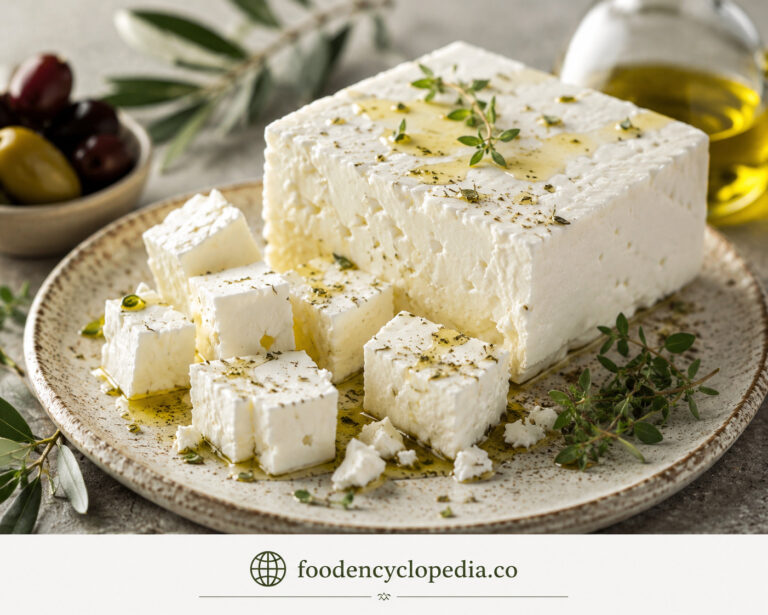
Istanbuli cheese is distinguished by its bright white appearance, soft and smooth body, and slightly salty taste. Unlike aged cheeses, it is typically consumed fresh or after a short ripening period. The cheese is usually stored in brine, which helps preserve freshness while enhancing its characteristic flavor.
Key features of Istanbuli cheese include:
- Soft and creamy texture
- Mild to moderately salty flavor
- High nutritional value, including protein and calcium
- Excellent melting and cooking properties
- Versatility in both savory and sweet dishes
These qualities make Istanbuli cheese highly desirable for both home consumers and commercial food service applications.
How Istanbuli Cheese Is Made
The production of Istanbuli cheese follows a traditional cheesemaking process that combines quality milk, controlled fermentation, and careful preservation techniques.
1. Milk Selection and Preparation
The process begins with fresh cow’s milk, buffalo milk, or a combination of both. The milk is carefully filtered and standardized to achieve the desired fat and protein content. It is then pasteurized to eliminate harmful microorganisms while preserving the milk’s nutritional value.
2. Heating and Starter Culture Addition
After pasteurization, the milk is cooled to the appropriate temperature, typically between 32°C and 37°C. Selected starter cultures may be added to encourage controlled acid development, improve flavor, and support the coagulation process.
3. Coagulation
Rennet, a natural or microbial enzyme, is added to the milk. The rennet causes the milk proteins to coagulate, forming a firm curd. This process generally takes 30 to 60 minutes, depending on the production conditions.
4. Cutting and Draining the Curd
Once the curd reaches the desired firmness, it is cut into small cubes to facilitate whey separation. The curds are gently stirred and allowed to release excess moisture. The whey is then drained, leaving behind the cheese curd.
5. Molding and Pressing
The curd is transferred into molds or cheesecloth-lined containers. Light pressing may be applied to remove additional whey and shape the cheese into blocks suitable for packaging and storage.
6. Salting and Brining
Salt plays a crucial role in the production of Istanbuli cheese. The formed cheese blocks are immersed in a carefully prepared brine solution. This step enhances flavor, improves texture, and extends shelf life while contributing to the cheese’s distinctive taste.
7. Packaging and Storage
After brining, the cheese is packaged in containers filled with brine to maintain freshness and quality. Depending on market requirements, the cheese may be sold fresh or allowed to mature for a short period before distribution.
Nutritional Benefits of Istanbuli Cheese
Istanbuli cheese is a valuable source of essential nutrients, including:
- High-quality protein for muscle maintenance and growth
- Calcium for strong bones and teeth
- Phosphorus and essential minerals
- Vitamins such as B12 and riboflavin
- Healthy fats that contribute to energy intake
When consumed as part of a balanced diet, Istanbuli cheese can provide both nutritional value and culinary enjoyment.
Conclusion
Istanbuli cheese represents a rich dairy tradition that has been enjoyed for generations across the Middle East and beyond. Its simple ingredients, traditional production methods, and versatile culinary applications have helped establish its reputation as a beloved white brined cheese. From careful milk selection to the final brining stage, every step in the manufacturing process contributes to the unique texture, flavor, and quality that define authentic Istanbuli cheese. As consumer demand for traditional and natural dairy products continues to grow, Istanbuli cheese remains a timeless favorite in both domestic and international markets.