Lancashire Cheese
Lancashire Cheese: A Traditional British Cheese and How It Is Made
Introduction to Lancashire Cheese
Lancashire Cheese is one of England’s most celebrated traditional cheeses, renowned for its rich history, distinctive flavor, and unique crumbly texture. Originating in the county of Lancashire in North West England, this iconic dairy product has been crafted for centuries using time-honored cheesemaking techniques passed down through generations.
Today, Lancashire Cheese remains a favorite among cheese enthusiasts, offering a versatile option for cheese boards, cooking, and everyday enjoyment. Its mild yet complex taste, combined with its excellent melting qualities, makes it a staple in British cuisine and an increasingly popular choice worldwide.
What Is Lancashire Cheese?
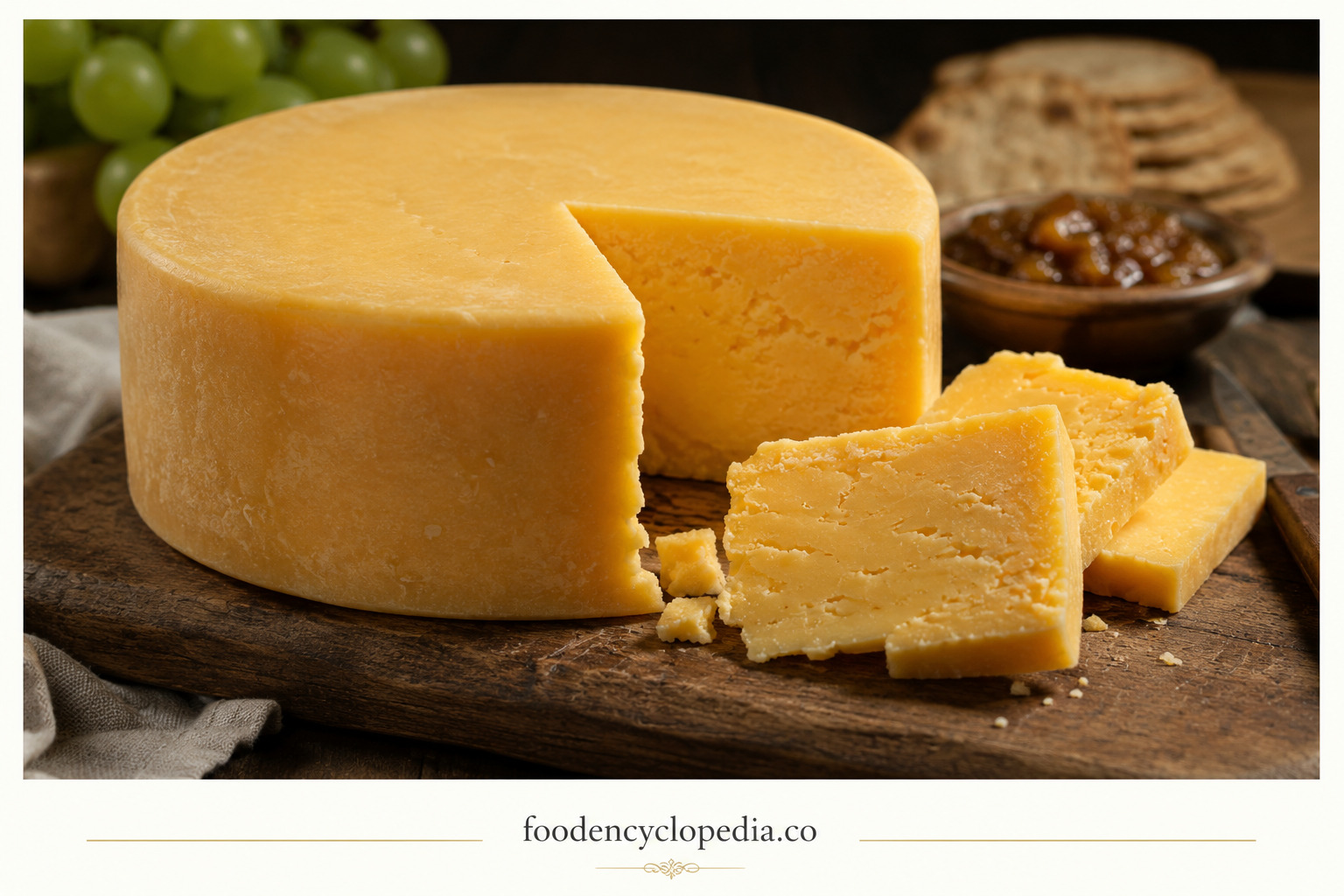
Lancashire Cheese is a cow’s milk cheese traditionally produced in Lancashire, England. It is characterized by its pale ivory color, moist crumbly texture, and fresh, slightly tangy flavor. Depending on the aging process, Lancashire Cheese can range from mild and creamy to rich and robust.
There are three primary varieties of Lancashire Cheese:
Creamy Lancashire
A young cheese matured for only a few weeks, offering a soft texture and mild, buttery flavor.
Tasty Lancashire
A medium-aged cheese with a firmer body and a more pronounced tangy taste.
Crumbly Lancashire
A mature variety aged for several months, delivering a stronger flavor and a characteristic crumbly texture.
The Traditional Cheesemaking Process
The production of Lancashire Cheese follows a unique method that distinguishes it from many other British cheeses. Traditional Lancashire Cheesemakers often combine curds from multiple days of milk production, creating a depth of flavor that develops during maturation.
1. Milk Collection and Pasteurization
The process begins with fresh cow’s milk sourced from local dairy farms. The milk is either pasteurized or used raw, depending on the producer’s methods and regulations. High-quality milk is essential to achieving the cheese’s signature taste and texture.
2. Adding Starter Cultures
Special bacterial starter cultures are introduced to the milk. These cultures convert lactose into lactic acid, helping develop flavor and preparing the milk for coagulation.
3. Coagulation
Rennet, a natural enzyme, is added to the milk to encourage curd formation. Over time, the milk thickens and separates into solid curds and liquid whey.
4. Cutting the Curds
Once the curd has formed, it is carefully cut into small pieces. This allows whey to drain and helps determine the final moisture content of the cheese.
5. Milling and Blending the Curds
One of the most distinctive aspects of Lancashire Cheese production is the blending of curds from different days. Traditionally, cheesemakers combine fresh curd with curds that have already developed acidity over one or two previous days. This technique contributes to Lancashire Cheese’s unique flavor profile and texture.
6. Salting
The curds are milled and mixed with salt, which enhances flavor, controls moisture, and supports preservation.
7. Molding and Pressing
The salted curds are placed into molds and pressed to remove excess whey while shaping the cheese into its final form. Pressing also helps create a consistent texture throughout the cheese.
8. Maturation
The cheese is aged under controlled temperature and humidity conditions. Depending on the desired variety, maturation may last from a few weeks to several months. During this period, the cheese develops its characteristic flavor, aroma, and texture.
Flavor Profile and Culinary Uses
Lancashire Cheese offers a delicate balance of creamy, buttery, and slightly acidic notes. Younger cheeses are mild and smooth, while aged varieties provide deeper, nuttier flavors with a pleasant tang.
Its versatility makes it ideal for:
- Cheese boards and charcuterie platters
- Traditional British dishes
- Grilled cheese sandwiches
- Savory pies and pastries
- Soups and sauces
- Salads and baked potatoes
Because of its excellent melting properties, Lancashire Cheese is frequently used in comfort foods and gourmet recipes alike.
Nutritional Benefits of Lancashire Cheese
Like many traditional dairy products, Lancashire Cheese provides several important nutrients, including:
- High-quality protein
- Calcium for bone health
- Phosphorus
- Vitamin B12
- Zinc
When enjoyed as part of a balanced diet, Lancashire Cheese can contribute valuable nutrients while delivering exceptional flavor.
Conclusion
Lancashire Cheese is a treasured part of Britain’s cheesemaking heritage. Its distinctive production process, involving the blending of curds from multiple days, creates a texture and flavor unlike any other cheese. Whether enjoyed fresh, matured, melted, or paired with complementary foods, Lancashire Cheese continues to delight cheese lovers around the world.
For anyone seeking an authentic British cheese experience, Lancashire Cheese represents a perfect combination of tradition, craftsmanship, and exceptional taste.