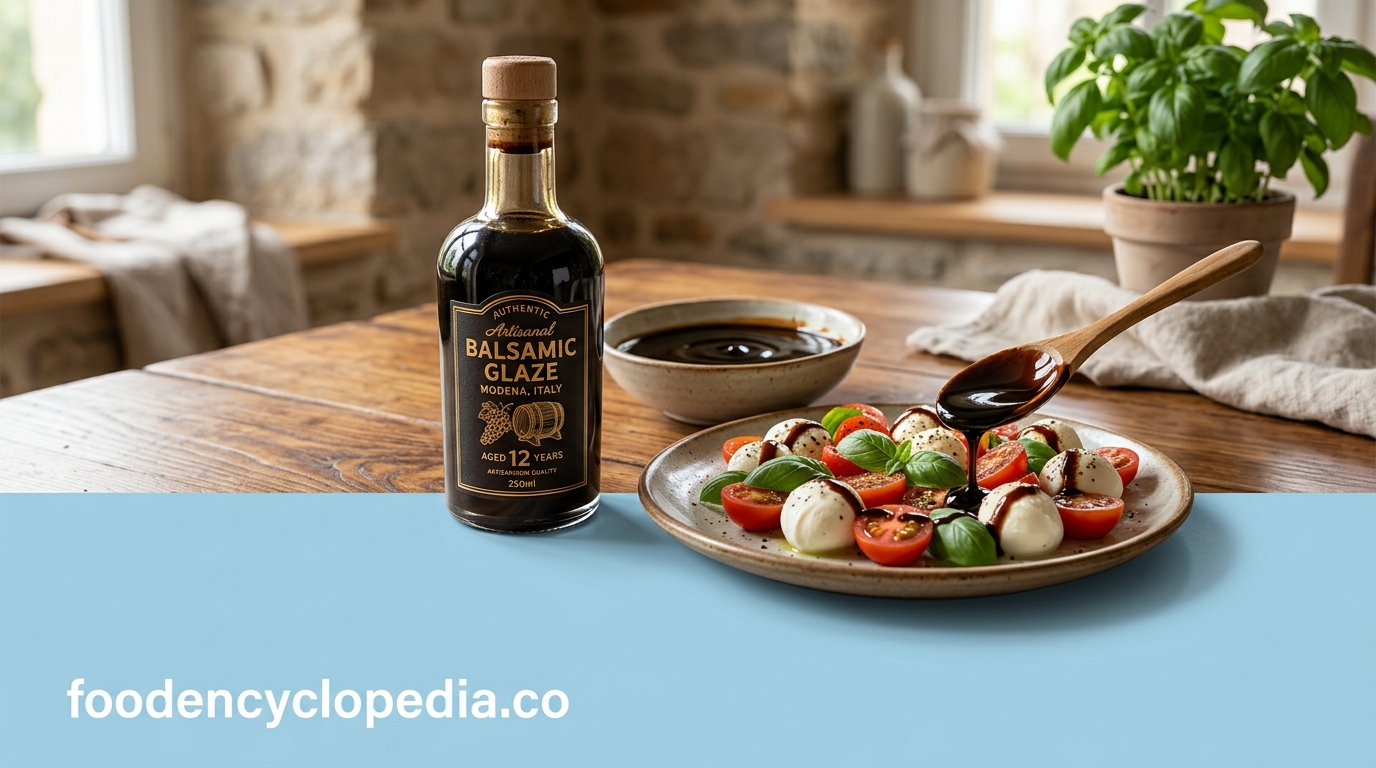
Balsamic Glaze
Balsamic Glaze: The Ultimate Guide to This Sweet-and-Tangy Sauce (With Recipe)
What Is Balsamic Glaze?
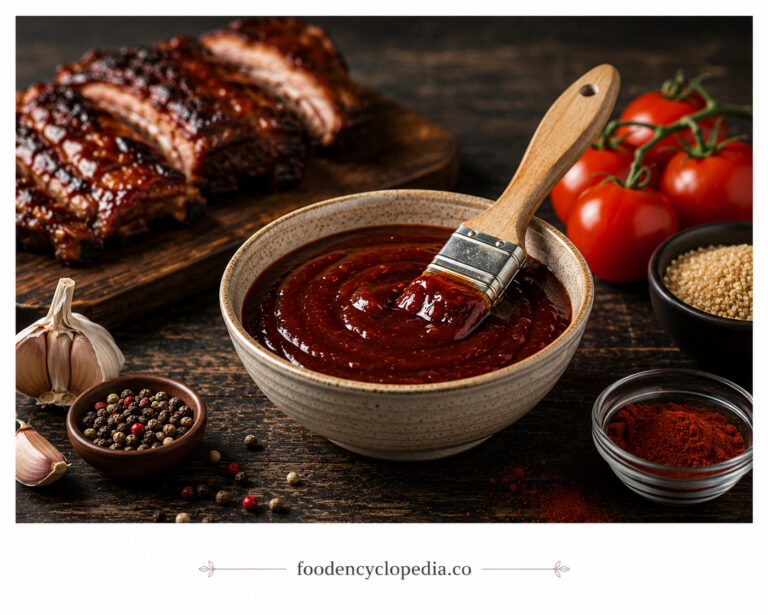
Balsamic glaze — sometimes called balsamic reduction — is a thick, syrupy sauce made by simmering balsamic vinegar until it reduces down to a fraction of its original volume. The process concentrates the vinegar’s natural sugars and acidity, transforming a sharp, thin liquid into a glossy, pourable syrup with a balanced sweet-and-tangy flavor.
Unlike raw balsamic vinegar, which can taste sharp and acidic on its own, balsamic glaze is smooth, syrupy, and slightly caramelized. It’s a favorite finishing sauce among professional chefs because it adds instant depth, shine, and flavor complexity to a dish with almost no effort.
What Does Balsamic Glaze Taste Like?
Balsamic glaze delivers a flavor that’s:
- Sweet, from the natural sugars concentrated during reduction
- Tangy, from the vinegar’s acidity
- Slightly fruity and rich, especially if made from a higher-quality aged balsamic
The overall effect is a sauce that’s bold enough to stand out but balanced enough to complement both savory and sweet dishes.
What Is Balsamic Glaze Used For?
Balsamic glaze is incredibly versatile and works well as a drizzle, dip, or finishing touch. Popular uses include:
- Caprese salad (tomato, mozzarella, and basil)
- Grilled or roasted vegetables
- Grilled chicken, steak, or pork tenderloin
- Roasted or grilled fruit, such as strawberries or peaches
- Pizza and flatbreads
- Fresh mozzarella, burrata, or brie
- Desserts like vanilla ice cream or panna cotta
Because the flavor is concentrated, a little balsamic glaze goes a long way — a light drizzle is usually all a dish needs.
Balsamic Glaze Ingredients
The beauty of balsamic glaze is its simplicity. At its most basic, you only need one ingredient:
- Balsamic vinegar (a good-quality but not necessarily expensive bottle works well)
Optional add-ins to customize the flavor:
- Honey or brown sugar (for extra sweetness)
- A sprig of fresh rosemary or thyme (for an herbal note)
- A clove of garlic (for a savory version)
- A pinch of black pepper
How to Make Balsamic Glaze (Step-by-Step)
Step 1: Choose Your Vinegar
Pour balsamic vinegar into a small saucepan. You don’t need an expensive, aged bottle — a standard supermarket balsamic vinegar reduces beautifully.
Step 2: Simmer Gently
Heat the vinegar over medium heat until it just begins to simmer, then reduce the heat to low. A gentle simmer prevents scorching and helps the sugars concentrate evenly.
Step 3: Reduce
Let the vinegar simmer uncovered, stirring occasionally, until it reduces by about half to two-thirds of its original volume. This typically takes 10–20 minutes, depending on the quantity you’re making.
Step 4: Check the Consistency
The glaze is ready when it coats the back of a spoon and leaves a trail when you run your finger through it. Keep in mind that the glaze will thicken further as it cools, so remove it from the heat slightly before it looks fully done.
Step 5: Cool and Store
Let the glaze cool to room temperature — it will continue to thicken as it sits. Transfer it to a squeeze bottle or airtight jar for easy storage and drizzling.
Tips for the Best Balsamic Glaze
- Watch it closely near the end. Balsamic vinegar can go from perfectly reduced to burnt in a matter of minutes, especially as it thickens.
- Add sweetener if desired. A teaspoon of honey or brown sugar can round out the flavor if your vinegar is especially sharp.
- Use a light-colored pan. This makes it easier to judge the color and consistency as it reduces.
- Make a big batch. Balsamic glaze keeps well in the refrigerator for several weeks, so it’s worth making extra.
Balsamic Glaze vs. Balsamic Reduction: What’s the Difference?
These terms are often used interchangeably, and in most home kitchens, they refer to the same thing: vinegar reduced until thick and syrupy. Some store-bought “glazes,” however, may include added sugar, cornstarch, or other thickeners to speed up the process and stabilize the texture — while a true reduction relies solely on evaporation to thicken naturally.
Final Thoughts
Balsamic glaze proves that some of the best sauces require almost no ingredients at all — just time, heat, and a little patience. Once you have a batch on hand, you’ll find endless ways to use it, from simple weeknight dinners to elegant plated dishes. It’s an easy, high-impact addition to any home cook’s repertoire.