Amlou Oil
Amlou Oil: The Ultimate Guide to Morocco’s Golden Almond and Argan Spread
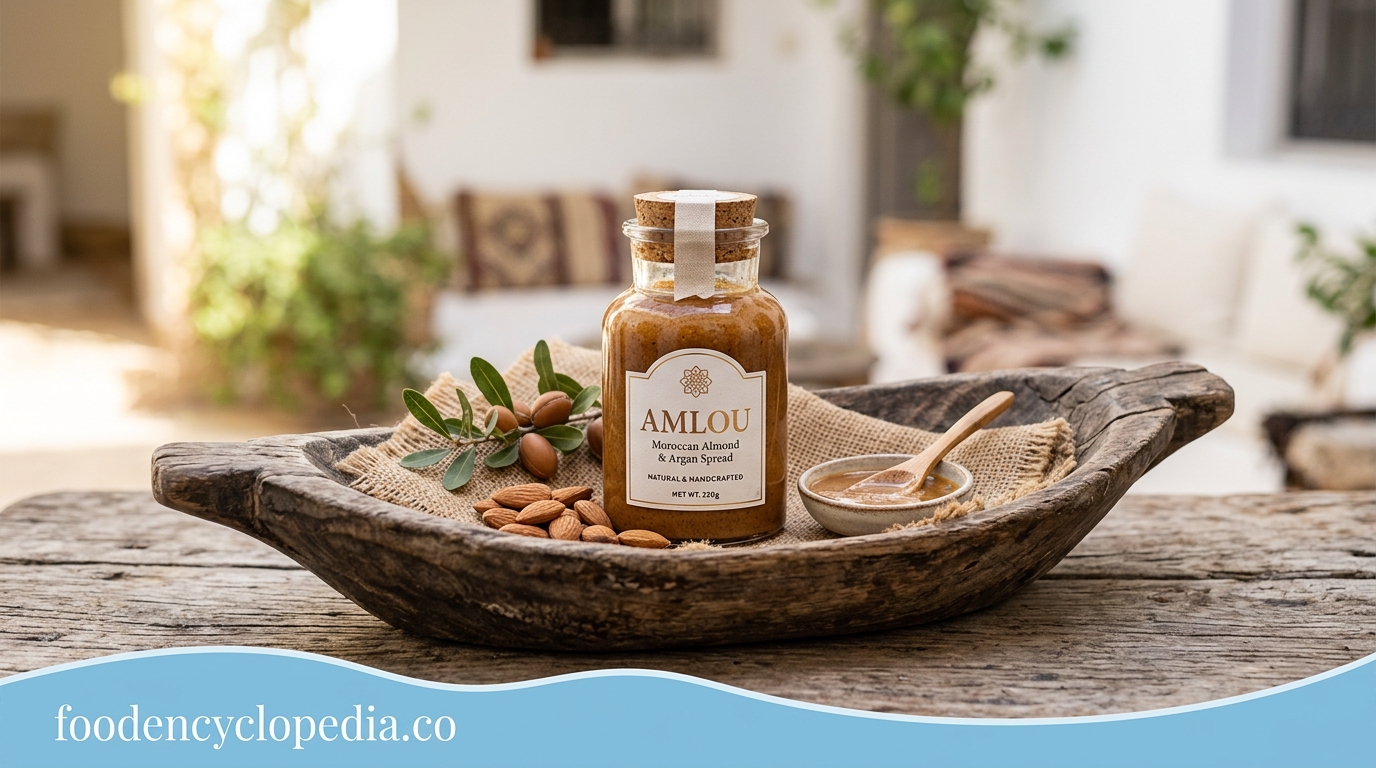
If you’ve ever traveled through Morocco or explored North African cuisine, you’ve likely come across a rich, nutty, golden-brown spread known as Amlou. Often called “Moroccan peanut butter” by newcomers, Amlou is far more than a simple condiment — it’s a centuries-old delicacy made from argan oil, roasted almonds, and honey. In this article, we’ll explore what Amlou is, why it’s so prized, its health benefits, and a simple step-by-step recipe so you can make authentic Amlou oil spread at home.
What Is Amlou?
Amlou is a traditional Berber (Amazigh) spread that originates from the Souss region of southwestern Morocco, the only place in the world where argan trees grow wild. The name “Amlou” comes from the Amazigh language, and the paste has been part of Moroccan household tables for generations — typically served with warm bread at breakfast or as an afternoon snack.
Unlike commercial nut spreads that rely on refined sugars and vegetable oils, authentic Amlou contains just three core ingredients:
- Pure culinary argan oil – cold-pressed from the kernels of the argan tree
- Roasted almonds (sometimes combined with peanuts in less traditional versions)
- Raw honey – for natural sweetness and smooth texture
This simplicity is part of what makes Amlou so beloved: it’s an all-natural, nutrient-dense spread with no preservatives or artificial additives.
Why Argan Oil Makes Amlou Special
Argan oil is often nicknamed “liquid gold” due to its rarity, rich flavor, and impressive nutritional profile. Culinary-grade argan oil (as opposed to the cosmetic version used in skincare) is prized for its:
- High concentration of vitamin E and antioxidants
- Healthy unsaturated fats, including oleic and linoleic acid
- Distinctive toasted, nutty aroma from the roasting process used to prepare the kernels
Because argan trees grow almost exclusively in Morocco, genuine argan oil — and by extension, genuine Amlou — is considered a specialty product with real cultural and economic significance for the women’s cooperatives that traditionally produce it.
Health Benefits of Amlou
Amlou isn’t just delicious — it also offers several nutritional advantages:
- Rich in healthy fats: The combination of argan oil and almonds provides monounsaturated and polyunsaturated fats that support heart health.
- Good source of protein and fiber: Almonds contribute plant-based protein and fiber, helping with satiety.
- Natural antioxidants: Argan oil and honey both contain compounds that help combat oxidative stress.
- No refined sugar (in traditional recipes): Honey provides natural sweetness without processed sugars.
As with any calorie-dense food, Amlou is best enjoyed in moderation as part of a balanced diet.
How to Make Amlou Oil Spread at Home
Making authentic Amlou requires just a few ingredients and a food processor or traditional stone grinder. Here’s a simple homemade version:
Ingredients
- 1 cup raw almonds
- 1/3 cup culinary argan oil (available at specialty grocers or online)
- 2–3 tablespoons raw honey (adjust to taste)
- A pinch of salt (optional)
Instructions
- Roast the almonds. Spread the almonds on a baking sheet and roast at 350°F (175°C) for 8–10 minutes, or until fragrant and golden. Let them cool slightly. Roasting is essential — it develops the deep, toasty flavor that defines authentic Amlou.
- Grind the almonds. Add the roasted almonds to a food processor and blend until they form a fine, slightly oily paste. This can take several minutes; scrape down the sides as needed.
- Add the argan oil. With the processor running, slowly drizzle in the argan oil until the mixture becomes smooth and creamy. Traditional recipes call for adding the oil gradually to control the final consistency.
- Sweeten with honey. Add the honey and a pinch of salt, then blend again until fully incorporated. Taste and adjust the honey to your preference.
- Store properly. Transfer the Amlou to a clean, airtight jar. It can be kept at room temperature for a few weeks or refrigerated for longer shelf life. The oil may separate slightly over time — simply stir before serving.
Serving Suggestions
Amlou is traditionally enjoyed with warm Moroccan flatbread (khobz) or French baguette for breakfast. It also makes a delicious topping for pancakes, waffles, oatmeal, or fruit, and can be used as a dip for fresh fruit slices.
Where to Buy Authentic Amlou or Culinary Argan Oil
If you’d rather skip the homemade route, look for Amlou or pure culinary argan oil from Moroccan women’s cooperatives, which are often certified organic and support fair-trade practices. When shopping, check that the label specifies “culinary” or “food-grade” argan oil, as cosmetic-grade argan oil is not intended for consumption.
Final Thoughts
Amlou is a wonderful example of how simple, natural ingredients — argan oil, almonds, and honey — can come together to create something deeply flavorful and nourishing. Whether you buy it from a Moroccan cooperative or make it yourself at home, Amlou offers a delicious way to experience one of Morocco’s most treasured culinary traditions.