Sugar Syrup
Sugar Syrup : What It Is, Why It Matters, and How to Make It at Home
Sugar syrup is one of the most versatile ingredients in any kitchen or bar. Whether you’re sweetening a cocktail, glazing a cake, preserving fruit, or brewing your own soda, a well-made sugar syrup is often the difference between a good result and a great one. Despite its simplicity — just sugar and water — sugar syrup rewards a little technique and understanding. This guide breaks down what sugar syrup is, the different types you’ll encounter, and step-by-step methods for making it at home.
What Is Sugar Syrup?
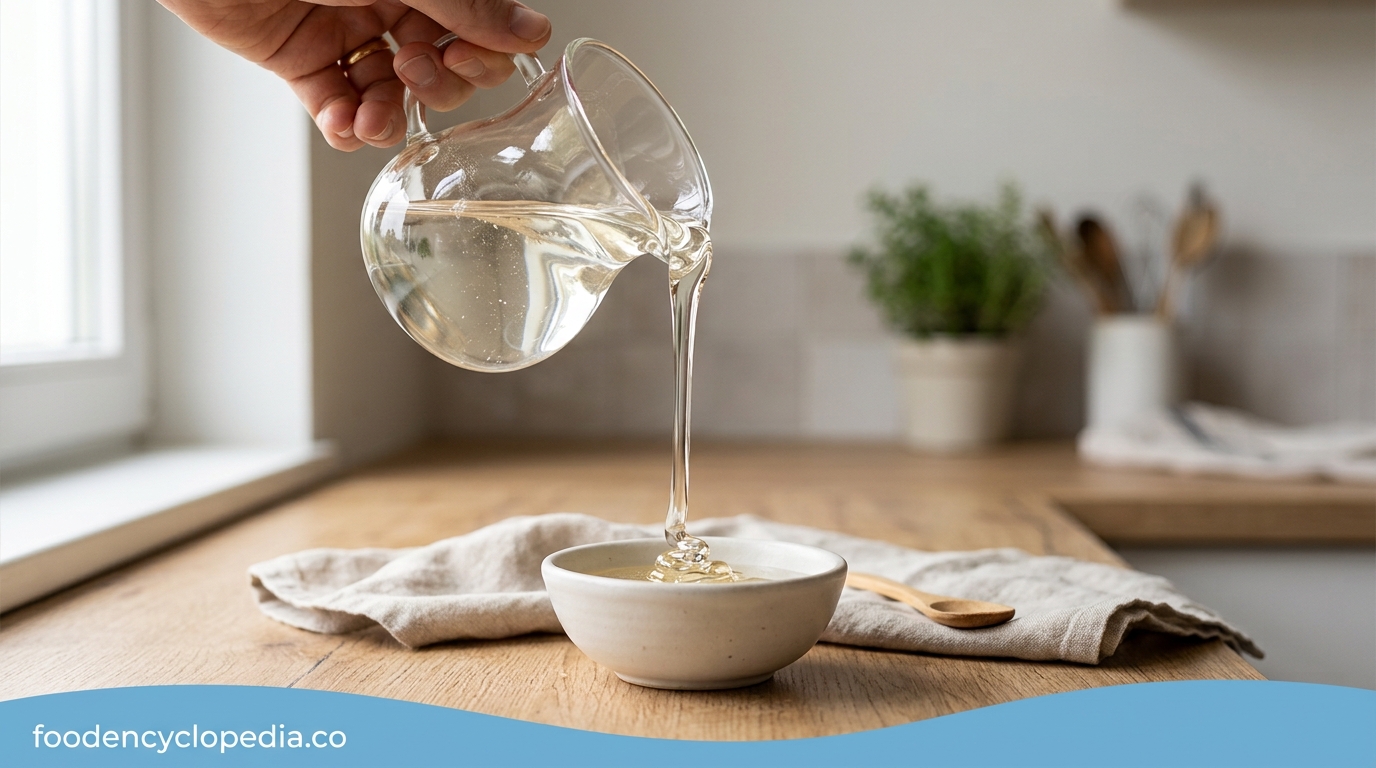
Sugar syrup, sometimes called simple syrup, is a solution of sugar dissolved in water. Heating the mixture speeds up dissolution and allows for higher sugar concentrations than would dissolve in cold water alone. Once cooled, the syrup can be stored and used to sweeten drinks, batters, glazes, and desserts without leaving behind undissolved sugar granules — something granulated sugar alone can’t guarantee, especially in cold liquids like iced coffee or cocktails.
Because it’s pre-dissolved, sugar syrup blends instantly and evenly, making it a staple in bartending, baking, and confectionery.
Why Use Sugar Syrup Instead of Granulated Sugar?
- Instant dissolving: No grainy texture, even in cold drinks.
- Consistent sweetness: Precise measurements are easier with liquid than with dry sugar.
- Longer shelf life for recipes: Syrup-based cakes and glazes often stay moist longer.
- Versatility: Can be flavored, colored, or adjusted in concentration for different uses.
Common Types of Sugar Syrup
Not all sugar syrups are created equal. The ratio of sugar to water determines the syrup’s thickness, sweetness, and best use case.
1. Simple Syrup (1:1 Ratio)
Equal parts sugar and water by volume. This is the standard for cocktails, iced beverages, and lightly sweetened desserts.
2. Rich Simple Syrup (2:1 Ratio)
Two parts sugar to one part water. It’s thicker, sweeter, and lasts longer in the fridge — popular among bartenders for its stronger flavor impact in smaller quantities.
3. Sugar Syrup for Baking
Often used to soak sponge cakes (like in tres leches or genoise) to keep them moist. Ratios vary but typically fall between 1:1 and 1:2 sugar to water.
4. Flavored Syrups
Simple syrup infused with vanilla, citrus peel, herbs, or spices — a popular way to customize coffee drinks, cocktails, and desserts.
How to Make Sugar Syrup at Home
Making sugar syrup requires no special equipment and takes only a few minutes.
Ingredients
- 1 cup granulated sugar
- 1 cup water (use a 2:1 ratio of sugar to water for rich syrup)
Instructions
- Combine sugar and water in a small saucepan over medium heat.
- Stir gently until the sugar fully dissolves. Avoid boiling too vigorously, as this can cause evaporation and alter your ratio.
- Remove from heat once the liquid turns clear and no sugar granules remain at the bottom.
- Cool completely before transferring to a clean, airtight container or bottle.
- Store in the refrigerator. Standard simple syrup lasts about 1 month; rich syrup can last up to 2 months due to its higher sugar concentration, which naturally inhibits bacterial growth.
No-Heat Method
For a quick alternative, combine sugar and warm (not boiling) water in a jar, seal it, and shake vigorously for 1–2 minutes until dissolved. This works well for small batches when you don’t want to use the stove.
Tips for Perfect Sugar Syrup Every Time
- Use filtered water for a cleaner taste, especially if your tap water has a strong mineral flavor.
- Don’t over-boil. Extended boiling evaporates water and can push the syrup into candy-making territory, changing its texture.
- Label and date your syrup so you know when to discard it.
- Scale the recipe based on need — the ratio stays constant regardless of quantity.
- Add flavor after cooling slightly if using delicate ingredients like fresh herbs, to preserve their aroma.
Common Uses for Sugar Syrup
- Cocktails and mocktails: A bartending essential for balancing acidity and spirit strength.
- Iced coffee and tea: Dissolves instantly, unlike granulated sugar in cold liquids.
- Cake and pastry soaking: Adds moisture and sweetness to sponge cakes.
- Fruit preservation: Used in canning to help maintain the color, texture, and shelf life of fruit.
- Homemade sodas and lemonades: A quick way to sweeten carbonated or still beverages.
Final Thoughts
Sugar syrup may be simple in composition, but its impact on flavor, texture, and consistency across countless recipes makes it an essential kitchen staple. Once you understand the basic ratios and techniques, you can customize syrups for virtually any application — from a perfectly balanced cocktail to a moist, flavorful cake. Keep a batch on hand, and you’ll find yourself reaching for it more often than you’d expect.