Bechamel Sauce
Bechamel Sauce: The Classic Foundation of French Cuisine
Bechamel Sauce, often referred to as one of the five mother sauces of French cuisine, is a rich, creamy white sauce that has become a cornerstone of culinary traditions around the world. Renowned for its smooth texture and delicate flavor, Bechamel serves as the foundation for countless dishes, from lasagna and macaroni and cheese to gratins, soufflés, and creamy casseroles. Its versatility and simplicity have made it an essential component in both professional kitchens and home cooking.
Originating in France during the 17th century, Bechamel Sauce is celebrated for its ability to enhance a wide variety of recipes without overpowering their natural flavors. The sauce is traditionally made from just a few basic ingredients—butter, flour, and milk—yet when prepared correctly, it transforms into a luxurious and velvety accompaniment that adds richness and depth to any meal.
What Does Bechamel Sauce Taste Like?
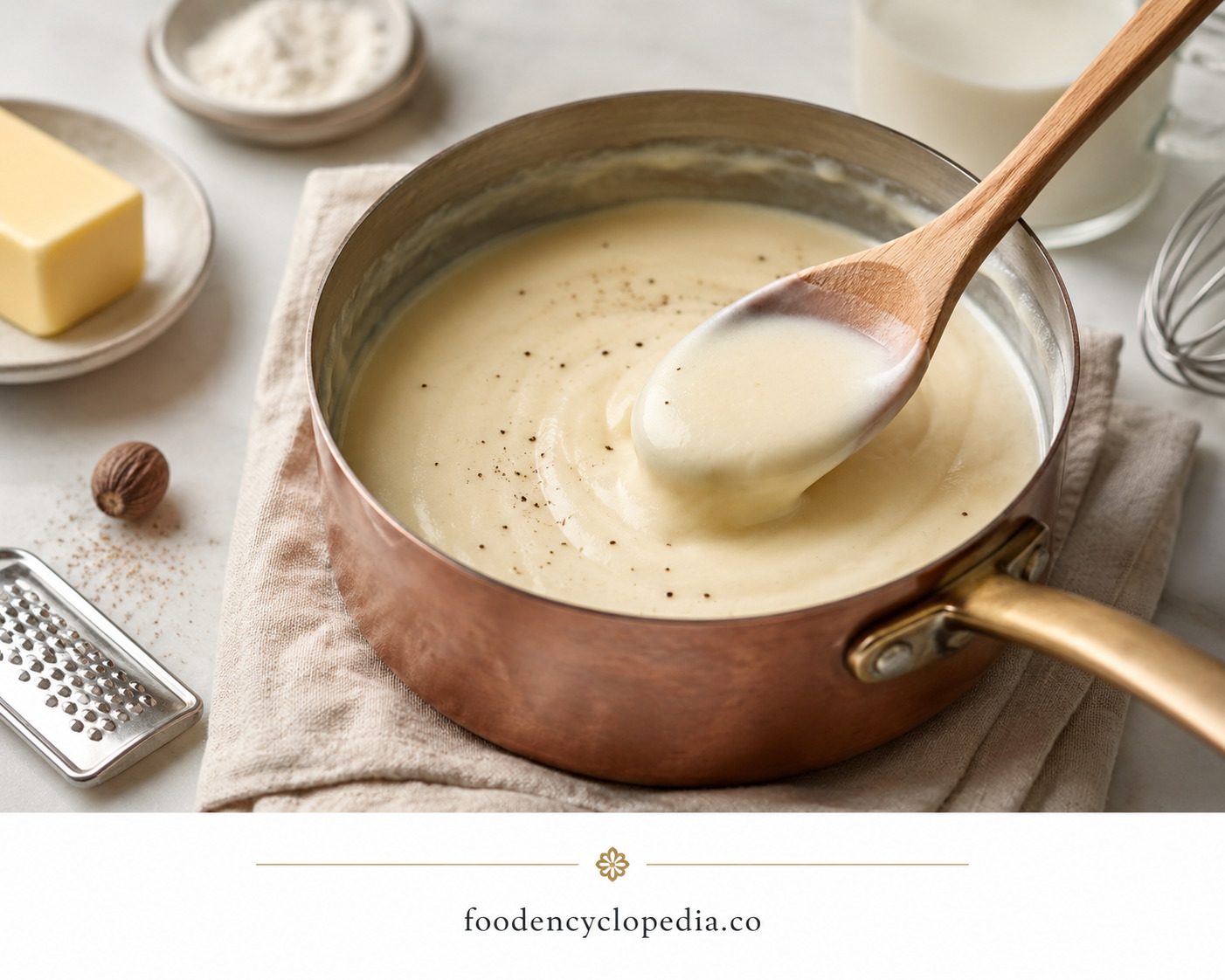
Bechamel Sauce has a mild, creamy, and buttery flavor with a silky consistency. Because its taste is relatively neutral, it acts as a perfect canvas for additional seasonings, herbs, cheeses, and spices. A touch of nutmeg is often added in classic French preparations, providing subtle warmth and complexity.
How Bechamel Sauce Is Made
The process of making Bechamel Sauce is straightforward but requires attention to detail to achieve a smooth and lump-free texture.
Step 1: Prepare the Roux
The sauce begins with a roux, which is a mixture of butter and flour cooked together over medium heat. Equal amounts of butter and flour are melted and whisked until they form a smooth paste. The roux is cooked for a few minutes to remove the raw flour taste while maintaining its light color.
Step 2: Add Warm Milk
Warm milk is gradually poured into the roux while continuously whisking. This step is crucial for preventing lumps and ensuring a silky consistency. The mixture gradually thickens as the milk combines with the flour and butter.
Step 3: Simmer and Season
The sauce is gently simmered until it reaches the desired thickness. Salt, white pepper, and a pinch of nutmeg are commonly added to enhance the flavor. The result is a smooth, creamy sauce with a luxurious texture.
Step 4: Use as a Base or Finished Sauce
Once prepared, Bechamel can be used immediately or customized with additional ingredients. Adding grated cheese creates a Mornay sauce, while herbs and spices can transform it into a unique accompaniment for vegetables, pasta, fish, or poultry dishes.
Nutritional Value of Bechamel Sauce
Bechamel Sauce provides calcium and protein from milk, while butter contributes richness and flavor. Nutritional content varies depending on the ingredients used and the thickness of the sauce. Lighter versions can be prepared with reduced-fat milk and less butter for a healthier alternative.
Culinary Uses of Bechamel Sauce
Bechamel Sauce is widely used in:
- Lasagna and baked pasta dishes
- Macaroni and cheese
- Vegetable gratins
- Croque Monsieur sandwiches
- Soufflés
- Creamy casseroles
- Seafood and poultry dishes
Its ability to blend seamlessly with other ingredients makes it one of the most versatile sauces in international cuisine.
Conclusion
Bechamel Sauce remains one of the most important and beloved sauces in the culinary world. Its simple ingredients, elegant texture, and remarkable versatility have secured its place as a fundamental building block of classic and modern cooking. Whether used as a base for more complex sauces or enjoyed in its traditional form, Bechamel continues to bring richness, creaminess, and sophistication to countless dishes worldwide.