British Tea
The Ultimate Guide to British Tea: History, Culture, and How to Make the Perfect Cup
Meta description: Discover the rich history of British tea culture and learn how to make a perfect cup of British tea with our step-by-step guide, tips, and expert brewing advice.
Introduction to British Tea Culture
Few things are as synonymous with Britain as a proper cup of tea. From bustling London cafés to quiet countryside cottages, tea remains an essential part of daily British life. It’s more than a beverage — it’s a ritual, a social custom, and for many, a source of comfort. Whether you’re a longtime tea drinker or new to the world of British tea, understanding its history and mastering the brewing process will help you enjoy this beloved drink the way it was meant to be experienced.
In this guide, we’ll explore the origins of British tea culture, the most popular types of tea in the UK, and a detailed, step-by-step method for brewing the perfect cup at home.
A Brief History of Tea in Britain
Tea arrived in Britain in the 17th century, introduced through trade with China and popularized by Catherine of Braganza, the Portuguese wife of King Charles II, who brought her love of tea to the English court. Over the following decades, tea drinking spread from the aristocracy to the middle and working classes, eventually becoming a staple of everyday British life.
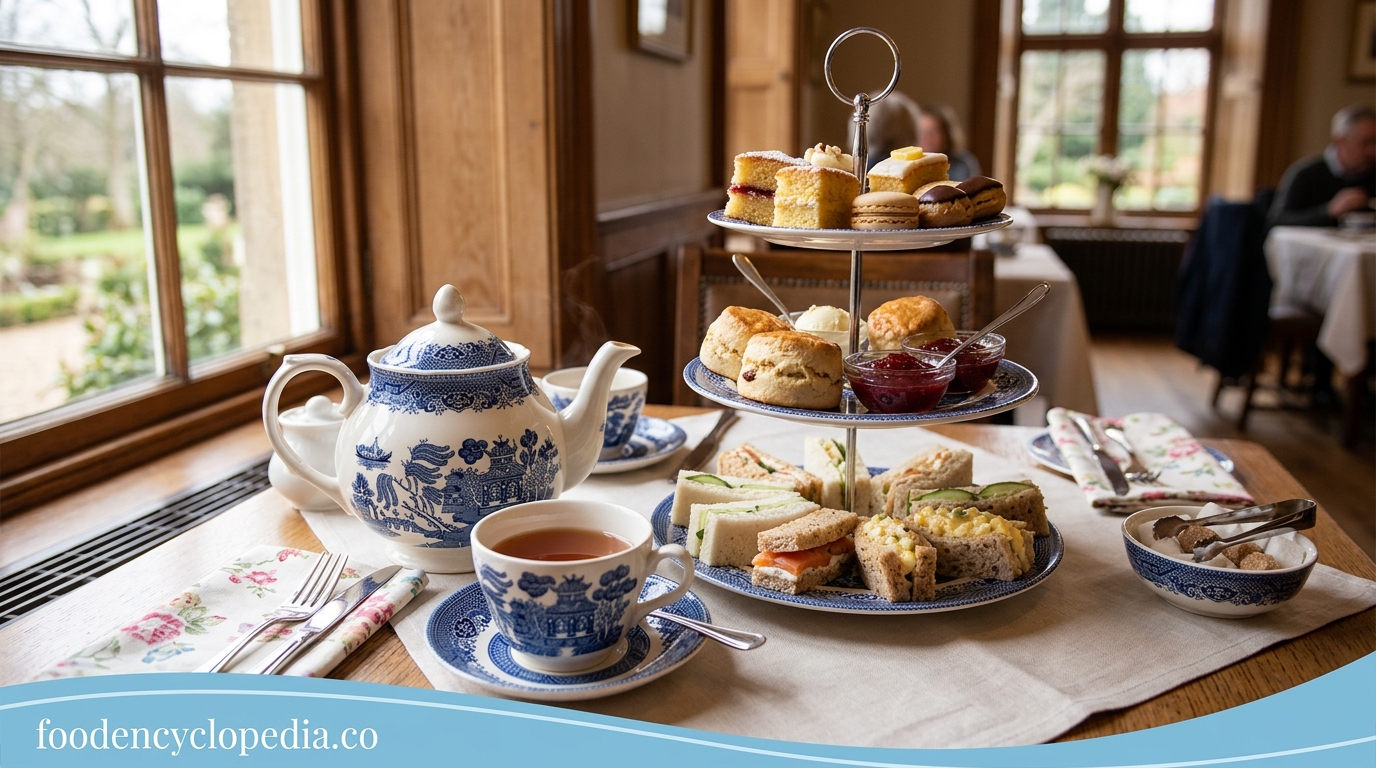
By the 19th century, the tradition of “afternoon tea” had emerged, credited to Anna Russell, the Duchess of Bedford, who wanted a light snack to bridge the gap between lunch and a late dinner. This tradition evolved into the elegant ritual of tea, sandwiches, scones, and pastries that many still enjoy today.
Tea also became deeply tied to British identity during the World Wars, when it served as a source of comfort and normalcy during difficult times. Today, the UK consumes millions of cups of tea daily, cementing its place as a cultural cornerstone.
Popular Types of British Tea
While “British tea” often refers to a specific style of brewing rather than a single variety, several types of tea are especially popular in the UK:
- English Breakfast Tea – A robust, full-bodied black tea blend, often made from Assam, Ceylon, and Kenyan teas. It’s traditionally enjoyed with milk and is the most common “everyday” tea in Britain.
- Earl Grey – A black tea infused with bergamot oil, offering a distinctive citrus aroma.
- Yorkshire Tea – A popular commercial blend known for its strong, malty flavor.
- Afternoon Tea Blends – Lighter black teas designed to pair with light meals and pastries.
How to Make a Perfect Cup of British Tea
Making a truly great cup of British tea is simple, but small details make a big difference. Follow these steps for an authentic, delicious result.
What You’ll Need
- Loose leaf tea or tea bags (English Breakfast or your preferred blend)
- Freshly drawn, cold water
- A kettle
- A teapot (optional but traditional)
- A teacup or mug
- Milk (optional)
- Sugar or honey (optional)
Step-by-Step Instructions
- Boil fresh, cold water. Always use freshly drawn water rather than water that’s been reboiled, as this affects the oxygen content and flavor of the tea.
- Warm the teapot or cup. Swirl a small amount of hot water in your teapot or cup before brewing to help maintain the tea’s temperature.
- Add your tea. Use one teaspoon of loose tea per cup, or one tea bag, adjusting to taste.
- Pour the boiling water over the tea. For black tea, water should be at a full rolling boil (around 100°C/212°F).
- Let it steep. Allow the tea to brew for 3–5 minutes depending on your preferred strength. Steeping longer results in a more robust, tannic flavor.
- Remove the tea bag or strain the leaves.
- Add milk, if desired. Traditionally, milk is added after brewing, though some argue for adding it first — a debate as old as British tea itself!
- Sweeten to taste with sugar or honey, if desired.
- Serve and enjoy, ideally with a biscuit, scone, or slice of cake.
Tips for the Best Cup of Tea
- Use fresh, high-quality tea leaves or bags for the best flavor.
- Avoid over-steeping, which can make tea taste bitter.
- Store tea in an airtight container away from light and moisture to preserve freshness.
- Experiment with steeping times and milk ratios to find your perfect balance.
Conclusion
British tea is more than a drink — it’s a tradition steeped in history, culture, and comfort. Whether you enjoy a classic English Breakfast tea each morning or a fragrant cup of Earl Grey in the afternoon, understanding how to brew tea properly enhances the entire experience. With the right ingredients and a little patience, you can recreate the perfect British cup of tea right in your own kitchen.
Looking to explore more tea traditions? Stay tuned for our upcoming guides on afternoon tea etiquette and the best tea pairings for every occasion.